

Porto feels heartier, friendlier and more wholesome than anywhere else we visited in Portugal. We arrived after a weekend in Coimbra and Lisbon, and by the time we’d ridden a rented scooter out of the city into the Douro Valley vineyards, we were smitten.
This Porto travel guide covers everything we’d tell a friend planning a trip: the best things to do, a tried-and-tested weekend itinerary, where to eat (brilliant news if you’re vegetarian), where to stay and how to get around.
In a Rush? Our Favourite Hotels in Porto
Timbre Virtudes ⭐⭐⭐⭐⭐
A 16th-century building turned five-star stay in Miragaia, with original stonework, a chef-led restaurant and a rooftop looking over the Douro.
Check ratesArtcore Hotel Porto ⭐⭐⭐⭐
A Pop Art-inspired four-star in creative Bonfim, with a heated outdoor pool, complimentary minibar and easy links to Campanhã station and the airport.
Check ratesClerigos Boutique Apartments
Elegant self-catering apartments by the Clérigos Tower, perfect for couples wanting historic-centre charm with a kitchen and balcony.
Check ratesOporto Local Studios
Spacious open-plan studios on Rua do Almada, a two-minute walk from Aliados, ideal if you want room to spread out in the heart of downtown.
Check ratesIs Porto Worth Visiting?
Absolutely. Porto is the perfect European city for a short break: historic architecture, azulejo-tiled churches, the Douro river wrapping around the city’s edges, and the Douro Valley wine region on its doorstep. It’s small enough to explore in a weekend and friendlier on the wallet than most Western European cities. If you’re torn between Portugal’s two big cities, read our guide to Lisbon or Porto.
Porto at a Glance
| Best For | Wine lovers, food lovers, couples, first-time visitors to Portugal. |
| Time Needed | 48 hours minimum; 3 days is comfortable |
| Best Time to Visit | May to June or September to October: warm, manageable crowds, lower prices than peak summer. |
| Getting There | Direct flights from most UK airports; journey under 2.5 hours. Budget airlines run frequent services. |
| Getting Around | Mostly walkable; trams and metro for longer journeys. |
| Budget (per person/day) | Budget: €60–80. Mid-range: €100–150. Comfortable: €150–220, including food, drink and entry fees. |
| Value in 2026 | Prices remain lower than Lisbon and most western European equivalents, making this one of the best-value city breaks available. |
Best Time to Visit Porto
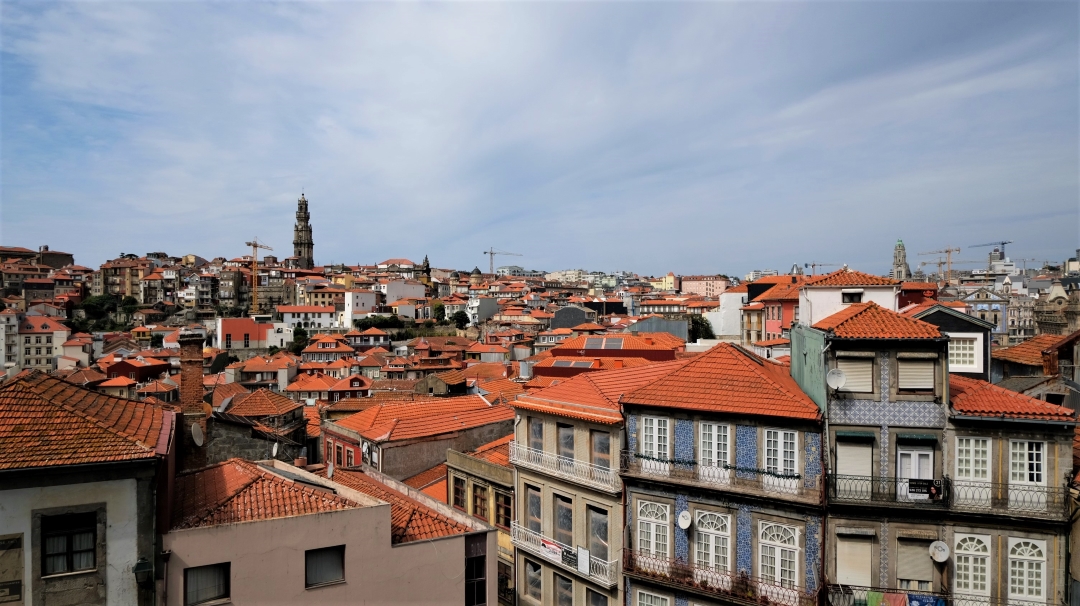
The best time to visit Porto is May or September, when the weather is warm without the summer crowds. We’ve visited in both June and late September, and late September wins for us. The city was quiet, the temperature was perfect for cycling along the Douro, and it was warm enough for the beach without any risk of burning. If your itinerary involves walking around the city, September is the best time to visit.
June was lovely too. However, days were characterised by cloudy, misty mornings that the sun reliably burned through by early afternoon. Plan your museums and markets for the morning and save the beach for the afternoon and it will work out great. June was a little busier than September, but nothing like peak-summer crowds.
Season by Season
| Season | What to Expect | Best For |
| Spring (Mar-May) | Warm, bright, occasional rain. Crowds are building but not overwhelming. Prices are still reasonable. | First-time visitors, couples |
| Summer (Jun-Aug) | Hot and busy. The Ribeira is at its most festive. Book everything in advance. | Nightlife, river cruises, festivals |
| Autumn (Sep-Oct) | Arguably the best months. Warm days, cool evenings, lighter crowds, great wine harvest timing. | Wine lovers, hikers, value seekers |
| Winter (Nov-Feb) | Mild but grey and rainy. Very quiet, lowest prices, authentic local feel. | Budget travellers, returning visitors |
How Many Days Do You Need in Porto?
Porto is a small, walkable city. Two full days is enough to cover the best sights in Porto, drink wine and enjoy delicious food. This makes it perfect for a weekend city break. Add a third day (or more ideally) if you want to visit the Douro Valley, because the vineyards deserve more than a rushed day trip.
Best Things to Do in Porto
1. Watch Golden Hour at the Ribeira
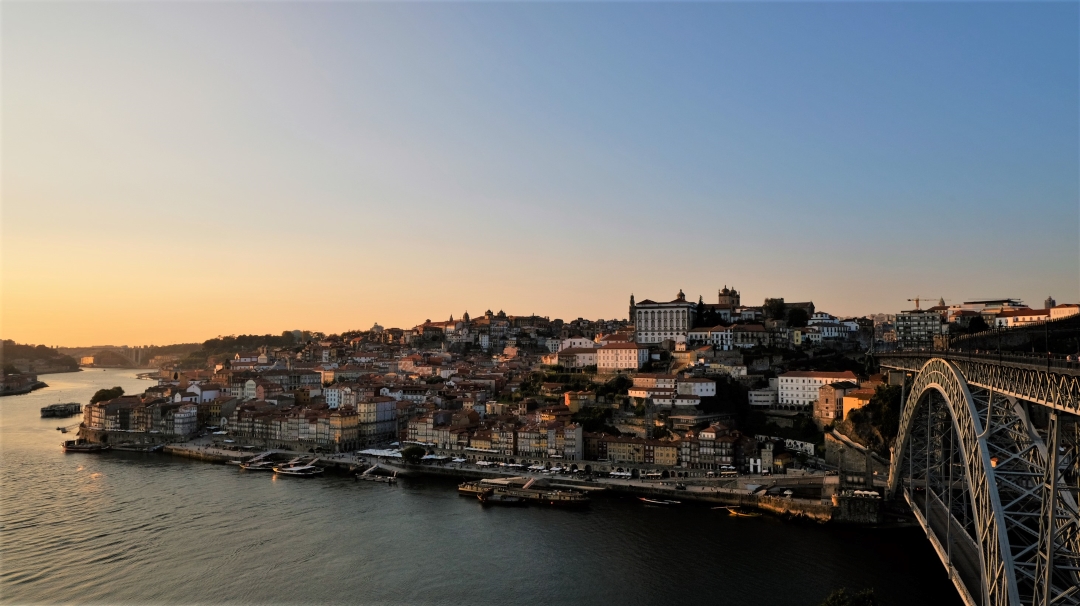
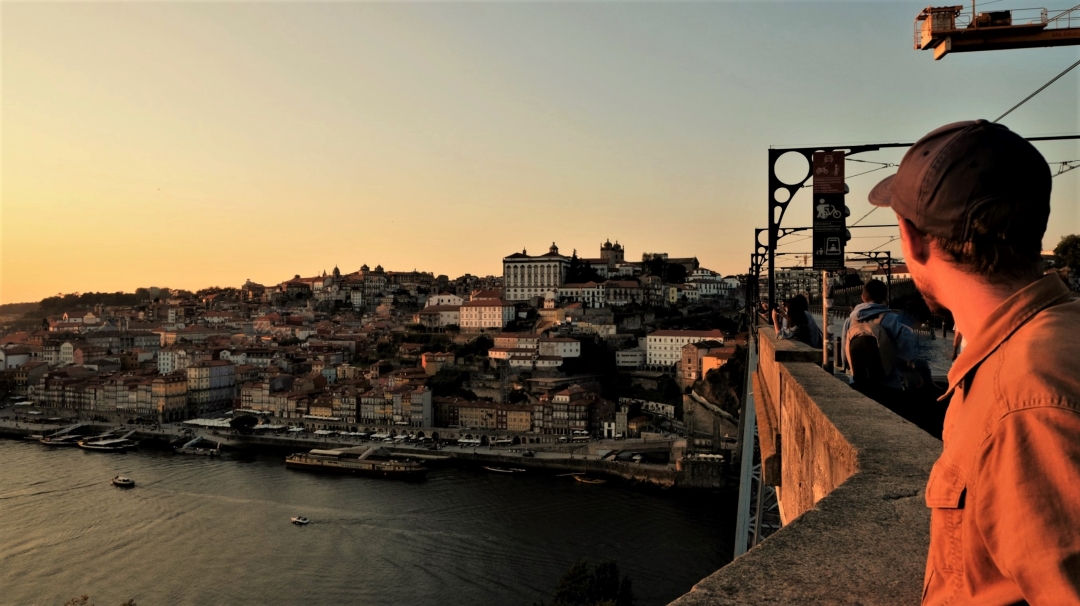
Porto’s sprawling riverfront is studded with eateries and wine bars, and locals and tourists alike come here to pass the evening’s golden hour. This photogenic tangle of medieval buildings helped make the city a UNESCO World Heritage Site. Arrive before 7pm to catch the golden light on the water, and come on a weekday if you can. The Ribeira on a summer weekend is extremely busy, but a Tuesday evening gives you the same views with room to breathe.
Alternatively, head for sunset at the Jardim do Morro (Moor’s Garden). Just south of the Luís I Bridge on the Gaia side, the Jardim do Morro has become Porto’s unofficial sunset institution. The grassy hillside fills with locals and visitors, musicians play, and street sellers circulate with cold beers and cocktails. The view across the river to Porto’s old town at golden hour is one of the great free experiences in Portugal.
2. Walk Across the Dom Luís I Bridge at Sunset
Cross the bridge as the sun starts to set and watch the city get kissed by the golden glow. It’s the classic Porto view for a reason.
3. Visit Livraria Lello
Listed among the top bookstores in the world, with a red-carpeted forked staircase said to have inspired the Hogwarts library in Harry Potter. It draws a daily crowd, so book a timed ticket in advance. Tickets are £26 on Get Your Guide.
4. Climb Clérigos Tower and Wander the Cordoaria Garden
Climb the 76m baroque bell tower for views over Porto, then explore the garden behind it, flanked by the blue-and-white tiled Igreja do Carmo and Igreja dos Carmelitas. The Natural History Museum is here too.
5. Peek Inside São Bento Station
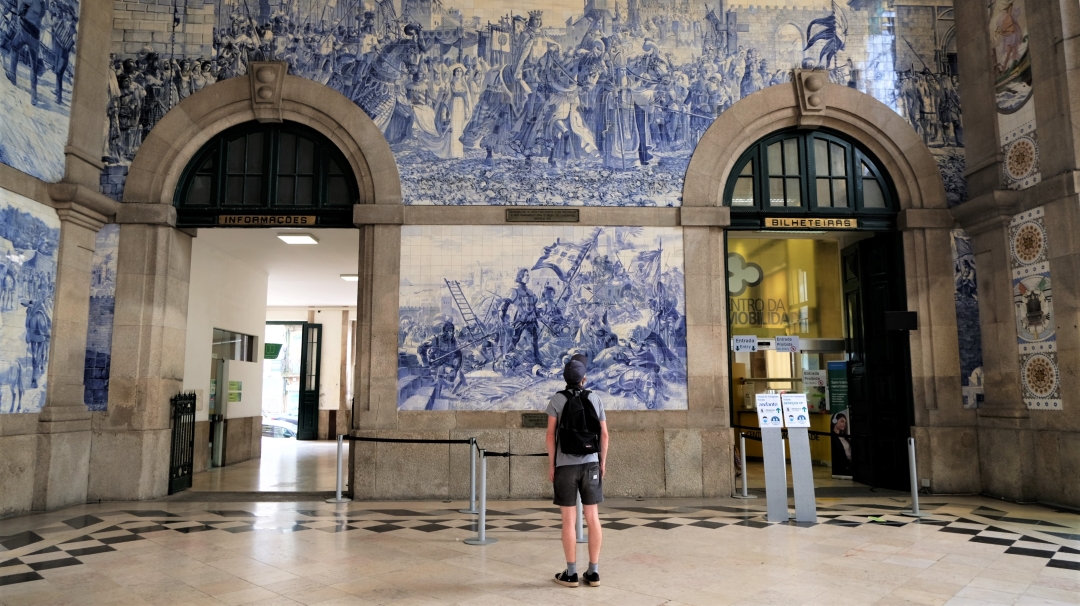
Yes, a train station, but trust us. Inside this 19th-century station you’ll find ornate azulejo tile work across the walls. You don’t need a ticket; just put your head round the door.
6. Tour Palácio da Bolsa
Porto’s Neoclassical stock exchange palace, just above the Ribeira. You’ll need to book a guided tour (around 30 minutes) and it’s worth every minute. The Arabian Room inside is extraordinary.
7. Take the Teleférico de Gaia from the Monastery of Serra do Pilar
The rotund white monastery sits on a hilltop overlooking the river, with a unique round church and cloister. Entry was €3 (free on Sundays) when we visited. Then ride the cable car down to Vila Nova de Gaia.
8. Graze at Mercado Beira-Rio
A small but grand terracotta food market behind the cable car station. It’s the perfect spot for a glass of port and a bite to eat in the cobbled courtyard.
9. Taste Port in Vila Nova de Gaia’s Port Houses
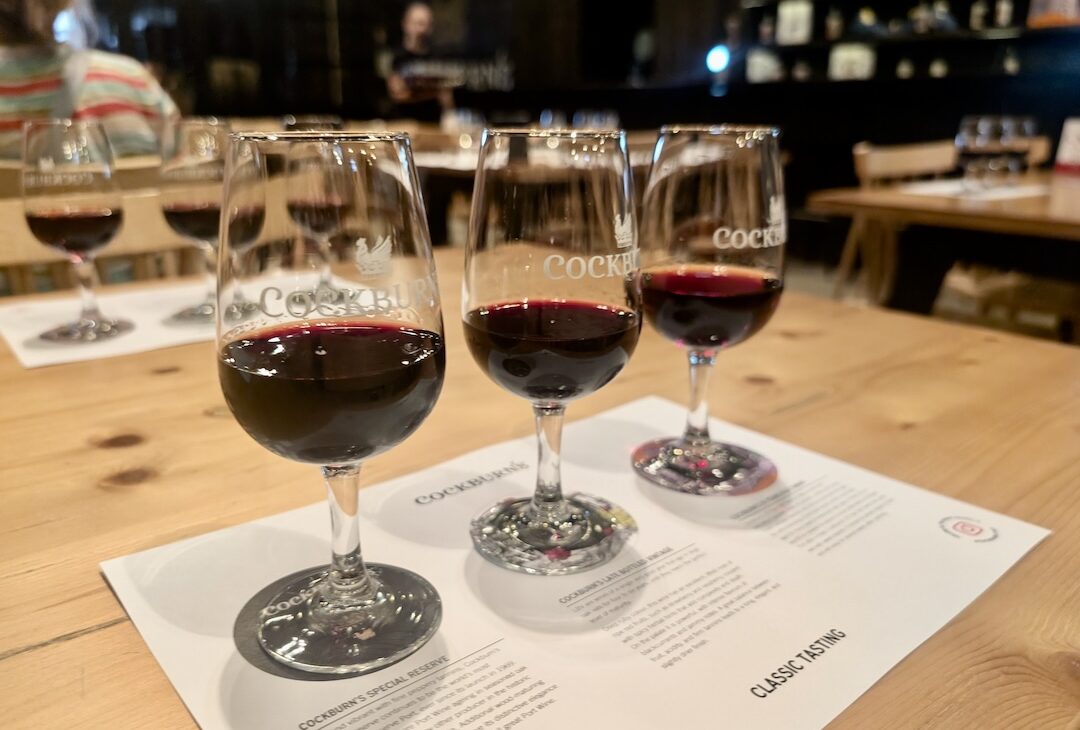
Wheedle through the backstreets to the famous port houses that have lined the south bank of the Douro since the 17th century. We visited the Cockburn’s port lodge: the tour takes you through dusty barrel-stacked cellars and gives genuine context to the Douro as a wine and port producing region. Our €30 ticket included three ports and was excellent value, and the shop at the end is dangerously well-stocked.
10. Browse Mercado do Bolhão
Porto’s historic central market sits in the heart of the Bolhão neighbourhood, freshly renovated and full of local producers selling fruit, cheese, flowers and preserves. It’s a brilliant spot to pick up edible souvenirs, or picnic supplies if you’re planning an afternoon by the river. The market is open Monday to Friday from 8AM to 8PM, and Saturdays from 8AM to 6PM.
11. Wander the Jardins do Palácio de Cristal
These landscaped gardens sit just west of the centre, with winding paths, resident peacocks and some of the best panoramic views over the Douro in the city. Entry is free, and it’s a peaceful antidote to the crowds down at the Ribeira. The gardens are a great spot for an alternate photo of Porto’s river, and you’ll often see peacocks striding around these gardens.
12. Visit Foz do Douro
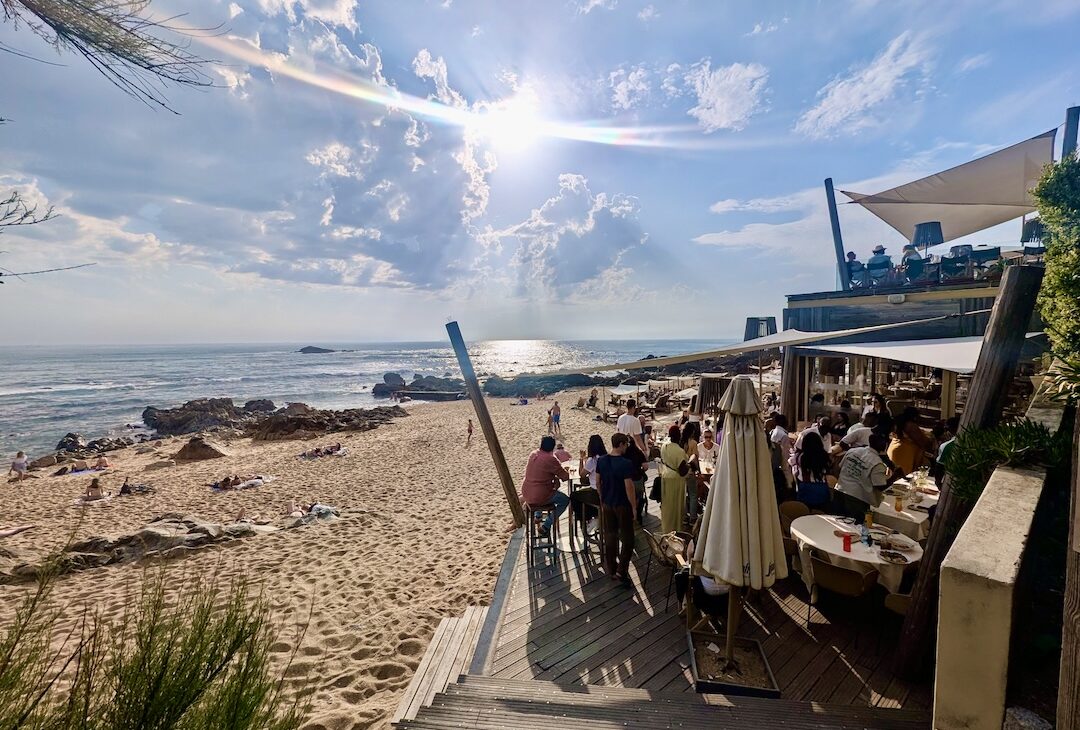
An easy half-day trip from the centre: take Tram Line 1 for €6 and ride it west along the Douro to Foz do Douro, the upmarket seaside neighbourhood at the river mouth. The Praia da Luz Beach Bar is where fashionable Porto comes to see and be seen, and the Pergola da Nevogilde is the most photographed spot in the area. We loved Foz so much on our first visit that we based ourselves there on our second trip.
13. Cycle Down the Douro to Porto’s Beaches
Our favourite thing to do in Porto. Rent a bike from Vieguini Bike Rentals by the river and follow the water west along the flat, scenic north bank to Porto’s rocky Atlantic beaches at Foz, instead of taking the tram. The cycle to the coast takes around 45 minutes one way at a relaxed pace. If you want a shorter ride, simply turn around when you feel like it. Bike rentals are €17 per day, or €28 for an e-bike.
14. Gaia Coastline by Bike
An alternative cycle route runs down the south side of the Douro mouth. This side has Porto’s best beaches by some distance: more space, more wilderness, better surf. Rent a bike from Vieguini and cycle roughly 15km down the Gaia coastline to the Chapel of Senhor da Pedra, an extraordinary sight: a small chapel sitting directly on the beach, hit by Atlantic waves.
15. Douro River Cruise
River tours of the Douro run throughout sunny days and are practically obligatory. Seeing the Ribeira from the water, with the tiled buildings stacked up the hillside above you, is a different and better perspective than the one from the riverbank. On our second visit, arriving as a group of seven, we hired a private luxury yacht for €50 per person. The Six Bridges cruise takes you upriver past the city’s historic bridges. Well worth it.
16. Surfing at Espinho
Porto surprised us with its surf. Espinho is a 25-minute drive south of the city, with consistent Atlantic swell and board rental available on the beach (€20). With a wetsuit (essential: the Atlantic is cold), the waves are very manageable for intermediate surfers. Beginners may find it challenging; the swell regularly tops 1.5 metres.
Only 3 Days? A Perfect Weekend in Porto Itinerary
Day 1: Arrive and Find Your Feet)
Start your Porto weekend break where most people start it and never regret doing so: the Ribeira. Porto’s famous riverfront stretches along the north bank of the Douro and is lined with wine bars, restaurants, and the photogenic tangle of medieval buildings that made the city a UNESCO World Heritage Site. Arrive before 7PM to catch the golden hour light on the water.
Walk across the lower deck of the Luis I Bridge as the sun begins to drop. The views back across the river towards Vila Nova de Gaia, with the port wine lodges stacked up the hillside, are exactly as spectacular as every photograph suggests.
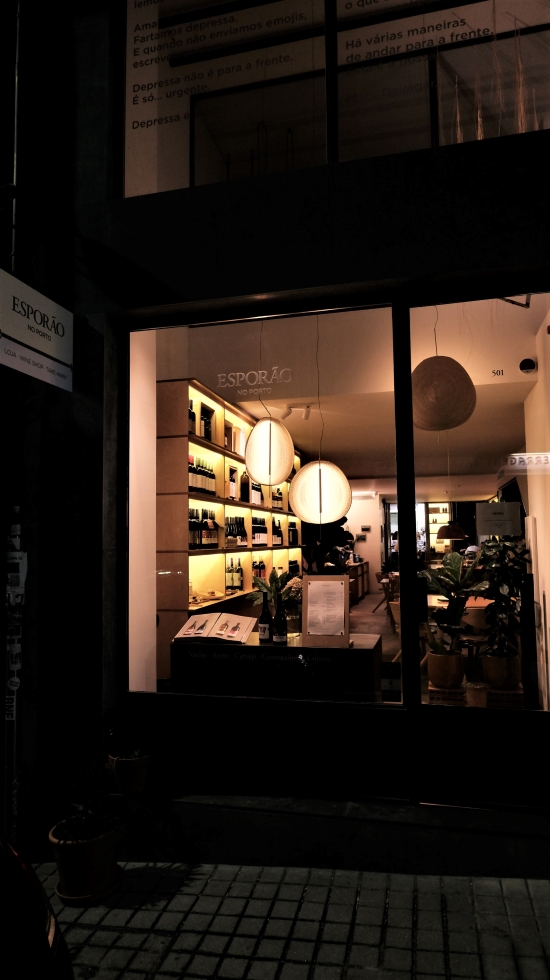
For dinner, walk up from the river to Rua dos Caldeireiros, which has a cluster of Porto’s best tabernas. These small, convivial restaurants serve traditional Portuguese food alongside local wines, and they bear no resemblance to the tourist-trap restaurants lining the waterfront. Our recommendation is Taberna Folias de Baco, a natural wine and tapas bar. The menu leans heavily on local produce: good bread, olive oil, cheeses, cured meats and small sharing plates. Vegetarians are well catered for. Expect to pay around €25 to €35 per person with wine. Booking ahead is advisable at weekends.
Day 2: Explore the City
After breakfast, head to Livraria Lello, Clérigos Tower and the Cordoaria Garden. Between these sights, there are lots of boutique and creative concept stores to find souvenirs. Walk down to São Bento Station.
Lunch on a francesinha, if you want to try it. This is Porto’s answer to a sandwich: layers of bread, steak, sausage and ham, drowned in melted cheese and a rich tomato and beer sauce. It is aggressively filling and thoroughly unreasonable. Highly talked about vegetarian versions can be eaten at Lado B Cafe, but personally I didn’t rate these sandwiches and would avoid (sorry, Porto). We recommend Déguste sandwich shop instead, for good sandwiches and where vegetarians will find a falafel sandwich option. Spend the afternoon cycling the Douro riverside.
In the afternoon, cycle the Douro riverside. The route west along the north bank of the Douro is flat, scenic, and takes you all the way to Porto’s rocky Atlantic beaches (Foz do Douro). The friendly team can advise on routes and riding times.
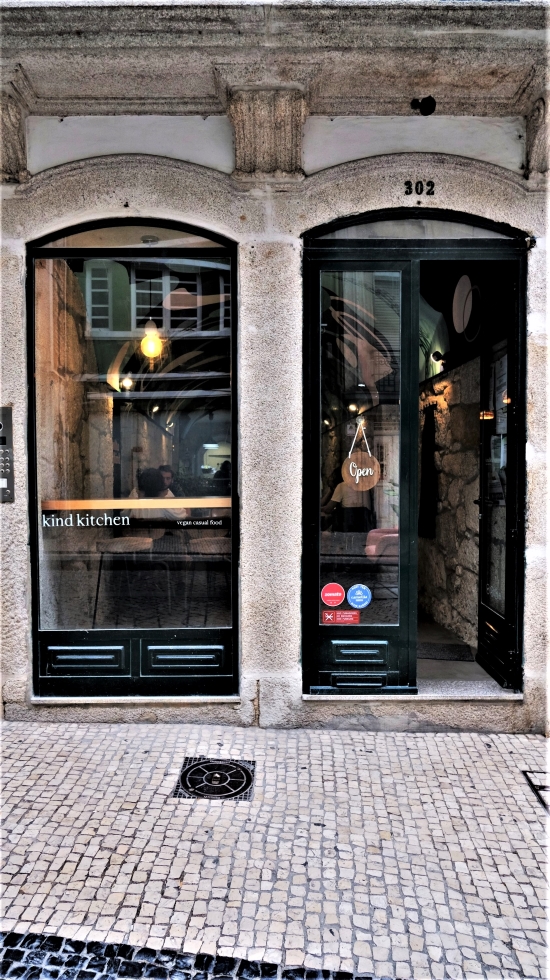
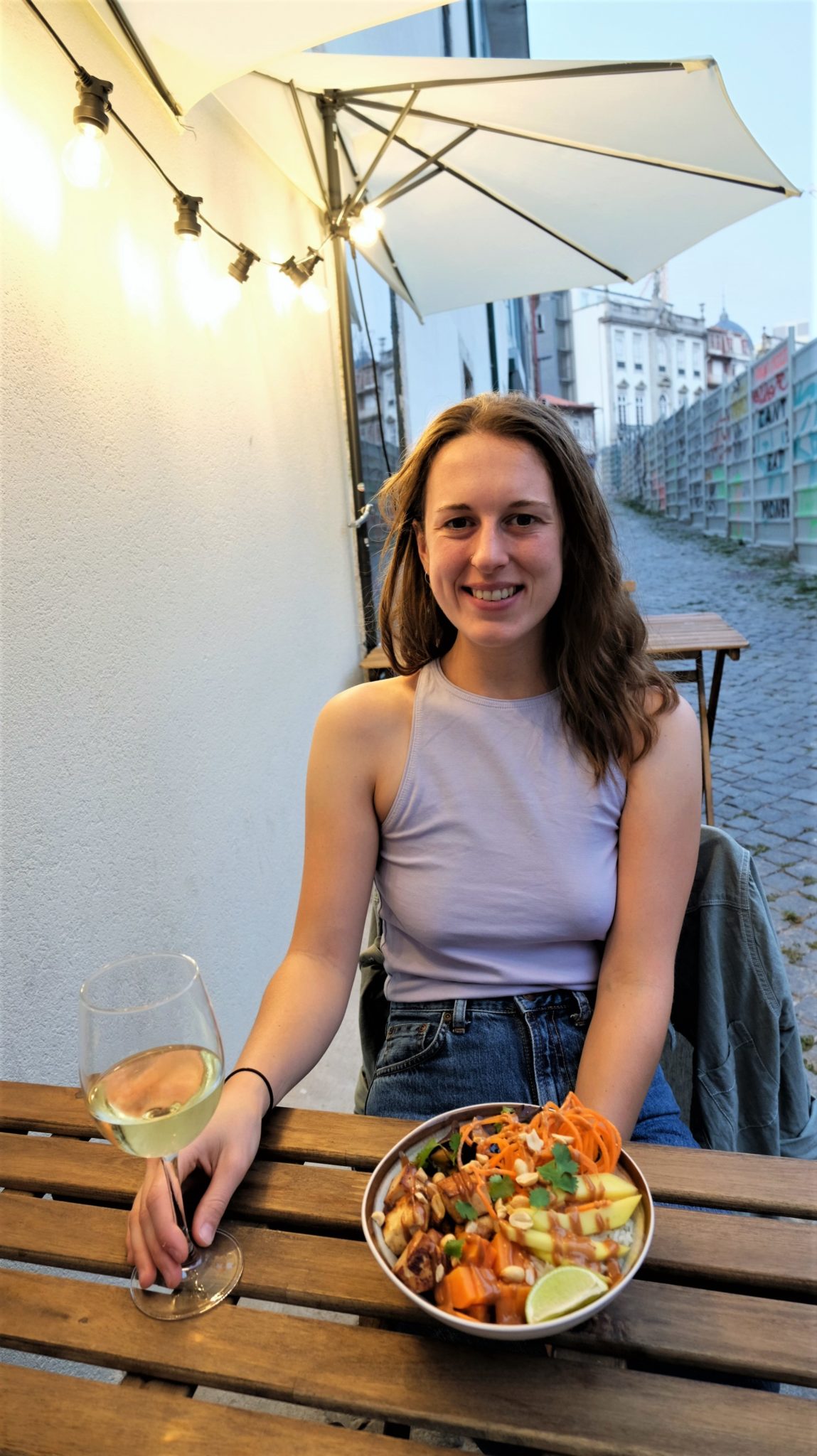
Kind Kitchen was our favourite dinner restaurant in Porto. This vegetarian and vegan kitchen serves globe-trotting world cuisine: burgers, burritos, Thai bowls. After a few days of bread, cheese and meat, it is a very welcome change of register. The Beyond Meat burger comes highly recommended; so does the Thai bowl. Prices are refreshingly affordable.
Day 3: Vila Nova de Gaia and Port Wine
Breakfast at O Porto Bakery. This local favourite opens at 7AM and is known for its freshly baked pasteis de nata at very reasonable prices. Arrive early for the best ones.
Take a tour of Palácio da Bolsa, then the Monastery of Serra do Pilar and the cable car down to Gaia. Lunch at Mercado Beira-Rio, an afternoon of port house tastings.
If port is not your preference, there are wine bars on the Gaia side of the river serving still wines from the Douro Valley. Non-drinkers will find excellent coffee at 7G Coffee Roasters.

More Time in Porto? Explore the Douro Valley
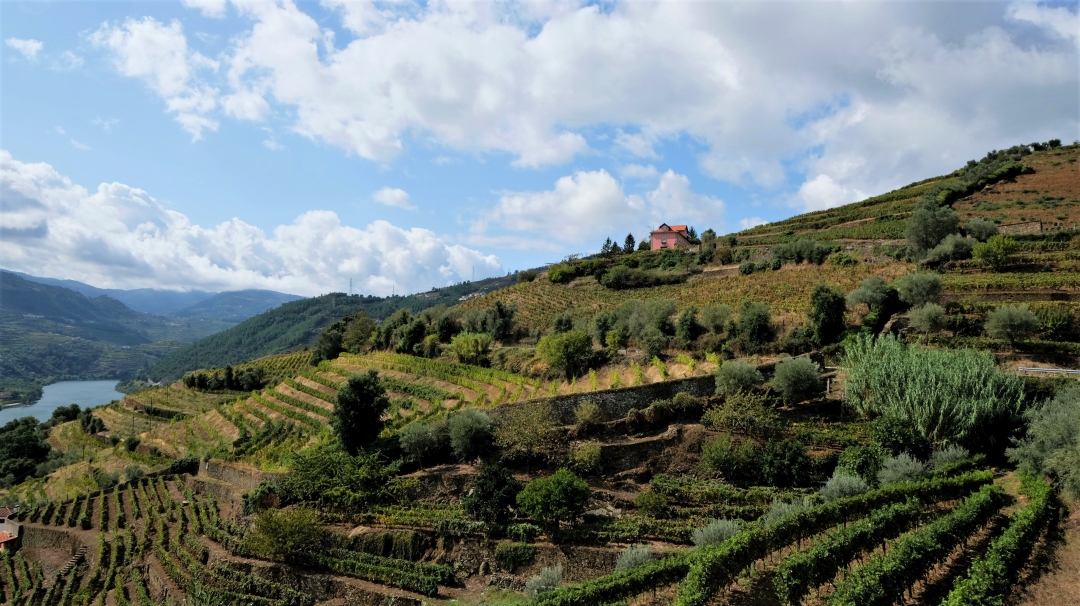
The Douro Valley wine region deserves more than a day trip, though a day trip is better than nothing. If you have three or four days in Porto, consider renting a car or joining an organised tour and following the N108 road east along the river. The terraced vineyards, the quintas, and the wines themselves are spectacular.
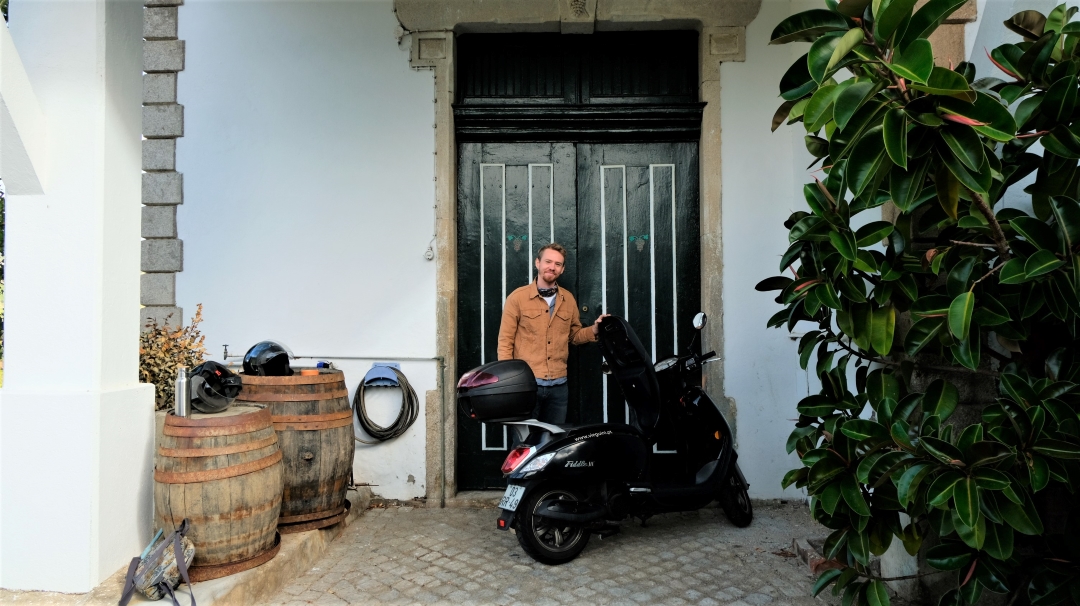
We were fortunate to have 3 days to visit the Douro Valley. We rented a scooter from Vieguini in Porto on one visit. It was a 4-hour drive by scooter, but would be quicker by car. We love the wind in our hair and being on scooter back though, so we’ve no regrets! If you go, stay at least one night. We stayed at Quinta do Fojo in the valley itself, run by the welcoming Elisabete, who’ll take care of you as soon as you step through her door.
Where To Stay in Porto
Porto has an excellent range of accommodation at every price point. For a full neighbourhood-by-neighbourhood breakdown of the best areas and hotels, see our guide to where to stay in Porto. The best area to stay for a weekend break is the historic centre, within walking distance of the Ribeira, Sao Bento Station and Livraria Lello. The Bonfim and Cedofeita neighbourhoods are slightly less central but offer a more local character and lower prices.
For groups or anyone wanting a home base, Porto has a wealth of characterful apartments available through the usual booking platforms. Many occupy historic buildings with original tile work and wooden floors. Expect to pay from €90 to €150 per night for a well-located one-bedroom apartment in the shoulder season.
On our second trip to Porto we stayed in Foz do Douro, perfect for beach lovers. It’s a quieter, more local base than the centre. Expect mornings by the ocean promenade, beaches on your doorstep, and the historic tram or the riverside cycle route to carry you into the city in around 20 minutes. If you’d rather wake up to sea air than city bustle, it’s the neighbourhood we’d pick again. Read our Foz do Douro guide here.
Tip: Book at least six weeks ahead for summer. Good apartments in the historic centre fill up quickly from June onwards.
Timbre Virtudes ⭐⭐⭐⭐⭐
A 16th-century building turned five-star stay in Miragaia, with original stonework, a chef-led restaurant and a rooftop looking over the Douro.
Check ratesArtcore Hotel Porto ⭐⭐⭐⭐
A Pop Art-inspired four-star in creative Bonfim, with a heated outdoor pool, complimentary minibar and easy links to Campanhã station and the airport.
Check ratesClerigos Boutique Apartments
Elegant self-catering apartments by the Clérigos Tower, perfect for couples wanting historic-centre charm with a kitchen and balcony.
Check ratesOporto Local Studios
Spacious open-plan studios on Rua do Almada, a two-minute walk from Aliados, ideal if you want room to spread out in the heart of downtown.
Check ratesGetting To and Around Porto
Getting to Porto
By Air — Porto is the biggest city in northern Portugal and there are regular flights between European destinations. If you’re in Europe already, then you’ll be able to book a flight via a budget airline. From London, flights to and from Porto are direct. Check flights to Porto on Skyscanner to find the best deals.
By Train — If you’re already in Portugal, you can travel to and from Porto by train. If you’re visiting Lisbon, Coimbra, Faro or Braga then you can take a high-speed train to Porto and these services run daily. There are slower intercity trains between Lisbon and Porto, but we’d recommend avoiding these as they can take a long time.
Getting Around Porto
Porto is a small city and largely walkable, especially compared to Lisbon. The tram system (including the famous Line 1 to Foz do Douro) covers the main tourist routes. The metro connects the airport to the city centre. For most Porto weekend breaks, a combination of walking and the occasional Uber will be sufficient.
Practical Tips for Your Porto Weekend Break
- Wear comfortable shoes. Porto’s historic centre is paved with uneven cobblestones and the hills are genuine. Good footwear is not optional.
- Go early. Livraria Lello, the Ribeira and Sao Bento all get busy by mid-morning in summer. Getting to each before 10AM makes a significant difference.
- Eat the daily special. Most Porto restaurants and tabernas offer a prato do dia (dish of the day) at lunchtime that represents the best value and often the best cooking on the menu.
- Carry some cash. Smaller tabernas, market stalls and some tram machines do not accept cards reliably.
- Take the tram at least once. Tram Line 1 to Foz do Douro is slow and often crowded, but the ride along the Douro is beautiful. Go early in the morning for the best experience (one-way is fine, you can take a rideshare back).
- Try the wine, not just the port. The Douro Valley produces outstanding still wines that rarely reach UK shelves. Restaurants and wine bars in Porto are the best place to try them.

Porto weekend breaks are, in our experience, among the best value and most enjoyable short trips available from the UK. The food is excellent, the wine is cheap, the architecture is extraordinary, and the city has retained a warmth and authenticity that many more famous destinations have long since lost. We have been twice and are already thinking about a third visit.
Go in May or September. Stay in the historic centre. Drink Douro wine. Take the tram to Foz at least once. Cross the bridge on foot at sunset. Let us know in the comments if you have any questions!
More Portugal Travel Guides
- Douro Valley in Portugal
- Foz do Douro: Porto’s Secret by the Sea
- Lisbon or Porto: Which Portuguese City To Choose?
- Is Lisbon Expensive?
- Sintra Coastal Hike: Azenhas do Mar to Cabo da Roca
- Carvoeiro: A Guide to the Algarve Beach Town
- Burgau: A Hidden Gem on the Algarve
Porto FAQs
Porto is excellent for a city break. It is compact and walkable, the food scene is outstanding, wine is cheap and good, and the city has a genuine character that does not feel manufactured for tourists.
Port wine, azulejo tiles, the Douro River, the Ribeira waterfront, and the francesinha sandwich. More broadly, Porto is known for being one of Portugal’s most atmospheric and beautiful cities, and for offering a more genuine, less touristy experience than Lisbon.
They are different rather than one being better. Porto is smaller, hillier, and tends to feel more local and less overrun; Lisbon has more monuments and a wider range of restaurants. For a first weekend visit to Portugal, Porto is our preference. Our full Lisbon or Porto comparison breaks it down.
The metro Line E (Violet Line) runs directly from the airport to the city centre in approximately 35 minutes; a single ticket costs around €2.50. Taxis and Ubers are readily available outside arrivals and take a similar time depending on traffic, at approximately €20 to €30.
This guide contains affiliate links. If you book through them we may earn a small commission at no extra cost to you. We only ever recommend places we have stayed or would happily book ourselves.