
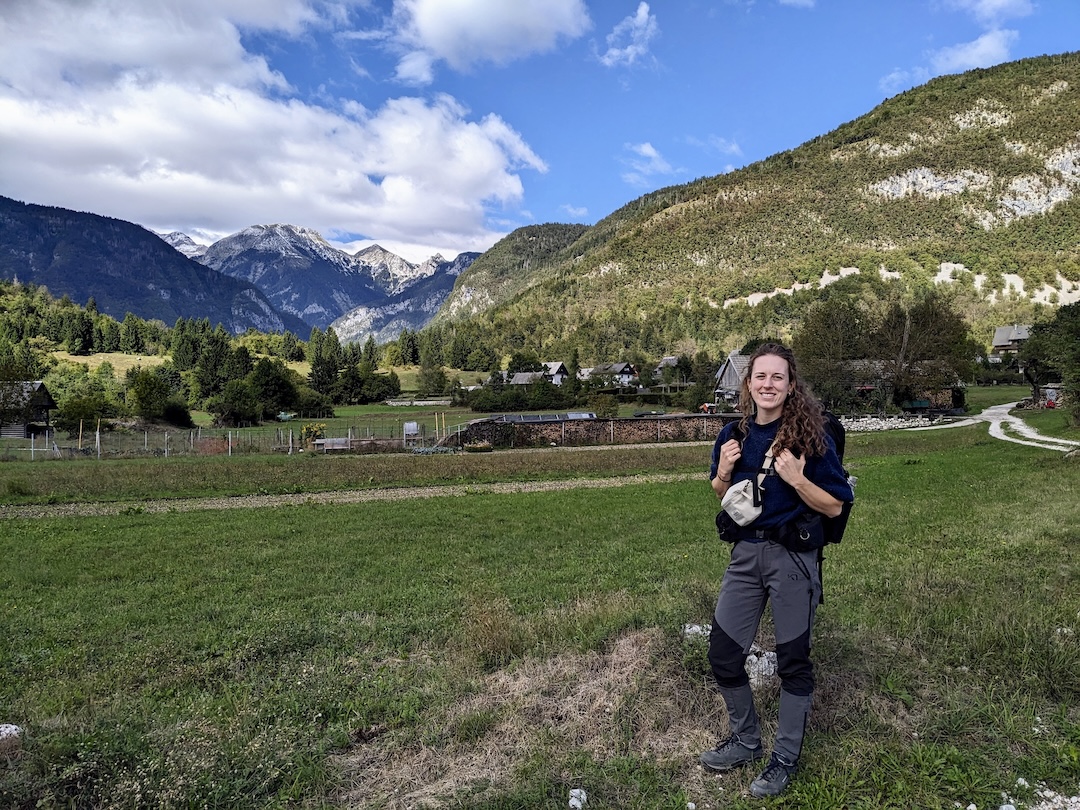

The Juliana Trail is a 270-kilometre walking loop around Mount Triglav, Slovenia’s highest peak, split into 16 stages. Unlike most alpine long-distance routes it deliberately stays low, circling the mountain through villages and valleys rather than summiting mountains. This makes it walkable without any alpine experience.
The walking is the straightforward part. The hard part is beds. The trail passes through small villages where a single guesthouse might be the only option for miles, and in July and August they fill months in advance.
This guide covers where to sleep on every stage, what the whole thing costs, and a detailed account of Stages 5, 6 and 7 — the Lake Bled to Lake Bohinj section, which we walked in September.
The Juliana Trail at a Glance
| Distance | 270 km, plus 102 km of approach trails |
|---|---|
| Stages | 16 |
| Time needed | 16–17 days for the full loop; 3–5 days for a section |
| Start and finish | Kranjska Gora — it is a loop, so you can start anywhere |
| Summits | None. The trail circles Triglav rather than climbing it. |
| Waymarking | Yes, throughout |
| Best months | May to October |
| Accommodation | Guesthouses, hotels and campsites — not mountain huts. |
| We Walked | Stages 5–7, Lake Bled to Bohinjska Bistrica. A 3-day route. |
Is the Juliana Trail Hard?
The Juliana trail isn’t as hard as the setting suggests. There is no scrambling, no exposure and no need for alpine skills. The route was designed as a low-level alternative to the high mountain traverses in the Julian Alps.
Individual stages run 12 to 25 kilometres with a few hundred metres of climbing, which is a solid day’s walk rather than a mountaineering one.
The exception: Stage 5 out of Lake Bled climbs steeply through the Pokljuška Soteska Gorge and gets close to scrambling in places. It is unpleasant in the wet. If you are nervous about that one, walk the section in reverse.
Where to Stay on the Juliana Trail
This is the part worth getting right before anything else. The Juliana Trail does not use mountain huts. You sleep in villages, in guesthouses, small hotels and the occasional campsite. Some stage ends have a dozen options, whereas others have only one or two.
Book early. For July and August, three to four months ahead is not excessive on the quieter stages. In September, we found availability was the thing that dictated our route rather than the other way round. We ended up walking our section backwards purely because of where we could get a bed.
When we finish our 3-day hike, we spent a night at Lake Bled and then headed down to the beaches around Piran to rest and recover.
Stage-by-Stage: Where to Sleep
Plan ahead to find accommodation at each stage of the Juliana Trail. We personally walked stages 5, 6 and 7 which include our personal recommendations for where to stay.
| Stage | Ends At | What’s There | Book Ahead |
|---|---|---|---|
| 1 | Mojstrana | Moderate, but mostly small self-catering apartments. Hostel Lukna is the one proper hikers’ bed. A mountaineering village, so the offer is hiker-shaped. | 1–3 months |
| 2 | Jesenice | Moderate — but there is no hotel. Thirteen of the fifteen listed options are private apartments scattered along a long valley town. Guest House Ejga is the place to stay. | 2–4 weeks |
| 3 | Begunje na Gorenjskem | Limited, and spread across outlying hamlets. Gostišče Draga is the most hiker-natural — food and a bed together. | 2–3 months |
| 4 | Lake Bled | Penzion Kaps was wonderful and we’d recommend. Plentiful hotels. The widest choice on the trail after Kranjska Gora, and the easiest place to add a rest day. | 2–3 months |
| 5 | Goreljek, Pokljuka | Hotel Jelka Pokljuka is the best choice! It has a restaurant and open fire. Quiet and not much else here. | Essential |
| 6 | Stara Fužina (Lake Bohinj) | Hotel Majerca — where we stayed. Incredible! Worth an extra night, the lake deserves a full day. Good choice around Stara Fužina and Ribčev Laz. | 2–3 months |
| 7 | Bohinjska Bistrica | Sunrose 7 is the nice option here. Train and bus connections back to Bled, so we stayed in Bled instead. Small town, moderate choice. | 1–2 months |
| 8 | Podbrdo | Very limited. Hikers Hut Hišar is the only hiker-shaped bed in the valley; most else is whole-house rental for groups. The shop shuts Sundays. | 3–6 months |
| 9 | Grahovo ob Bači | Population 122, roughly 18–20 beds total. Stay at Hiša Brdo. No grocery shop. Camp Šorli mid-stage is the fallback. | 4–6 months. Book this one first. |
| 10 | Most na Soči | Plentiful — around 34 properties. Penzion Šterk and Kamp Senca by the reservoir (May–September). Recovery point after two thin nights. | 4–8 weeks |
| 11 | Tolmin | Plentiful — but see the festival warning below. Camp Gabrje on the Soča. | 3+ months |
| 12 | Kobarid | Plentiful and the best balanced on the trail — hotels, hostel, campsites. Hotel Hvala is explicitly hiker-friendly; Hostel Kobarid; Kamp Koren over the Napoleon Bridge. | 2–3 months |
| 13 | Bovec | The deepest supply in the valley. Hostel Soča Rocks, Kamp Polovnik five minutes from the centre, boutique hotel Dobra Vila in the old telephone exchange. | 2–3 months |
| 14 | Log pod Mangartom | Very limited and no shop. Hiša Urška and Hostel Kronotop. Stage 15 out of here is a hard 7 hours, so start it rested. | 3+ months. Book early. |
| 15 | Tarvisio, Italy | Plentiful — a ski resort, so summer is its slack season. Hotel Tarvisio and Hotel Edelhof are both small family-run places in town. Same currency, different language. | 1–2 months |
| 16 | Kranjska Gora | The widest choice anywhere on the trail. Good choices are Boutique Skipass Superior Hotel and Mountain Melody. You will need beds here twice for arrival and departure if you start and finish here. | 2–3 months |
Note: Avoid Tolmin in mid-July and mid-August. Tolmin’s Sotočje festival grounds, a short walk from the town centre, host three large music festivals back to back through exactly the peak hiking window:
- Butik Festival — 15-19th July 2026
- Tolminator — 24-28th July 2026
- Punk Rock Holiday — 11-14th August 2026
That’s roughly thirteen festival days, plus set-up and arrival days either side, during which the town’s accommodation is effectively gone and prices are high. If your stage 11 lands on one of those dates, either book months ahead or plan to walk through to Kobarid and sleep there instead.
Walking Light: Luggage Transfer & Storage
You do not have to carry everything. We stored our main luggage at Natour Bled, a travel agent in Lake Bled, for €5 per bag per day and walked the three days with day packs.
For longer sections, several Slovenian operators will move your bag between stage ends so you walk with nothing but water and layers.
Lake Bled to Lake Bohinj: Stages 5–7 in Detail
Day 1 —Stage 5: Lake Bled to Goreljek
- Distance: 21 km
- Duration: 6.5 hours
- Difficulty: Challenging
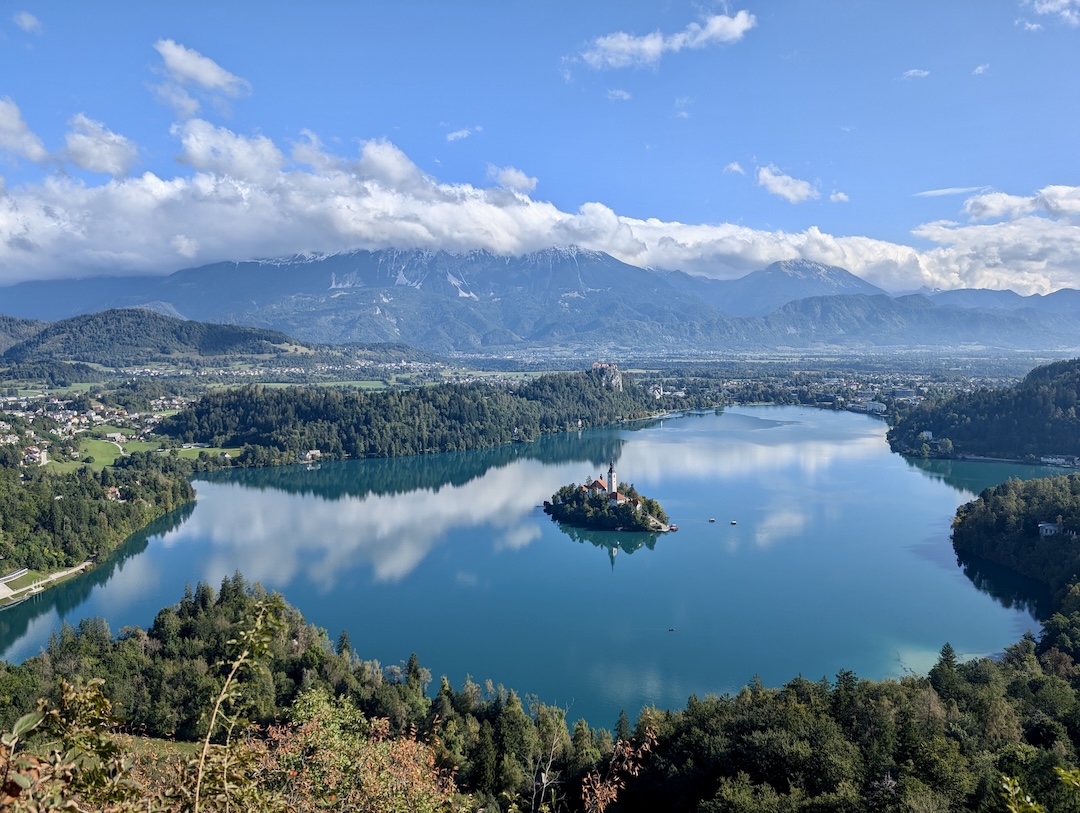
Stage 5 starts at Lake Bled, one of Slovenia’s most iconic landmarks, and ends in Goreljek, a woodland area in the Triglav National Park. This stage is considered one of the most challenging, as it features steep climbs, particularly through the Pokljuška Soteska Gorge, a scenic but strenuous section.
Stage 5 Key Highlights
Lake Bled: Begin your journey along the picturesque path circling the lake before ascending toward the green hills surrounding it.
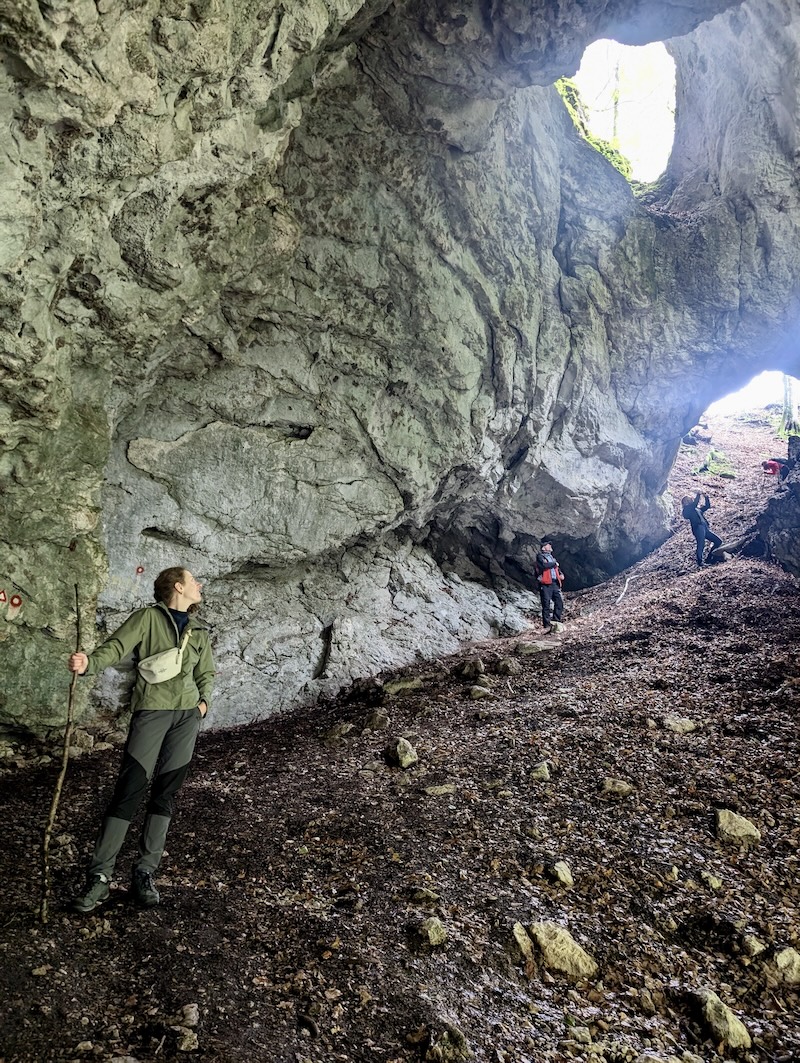
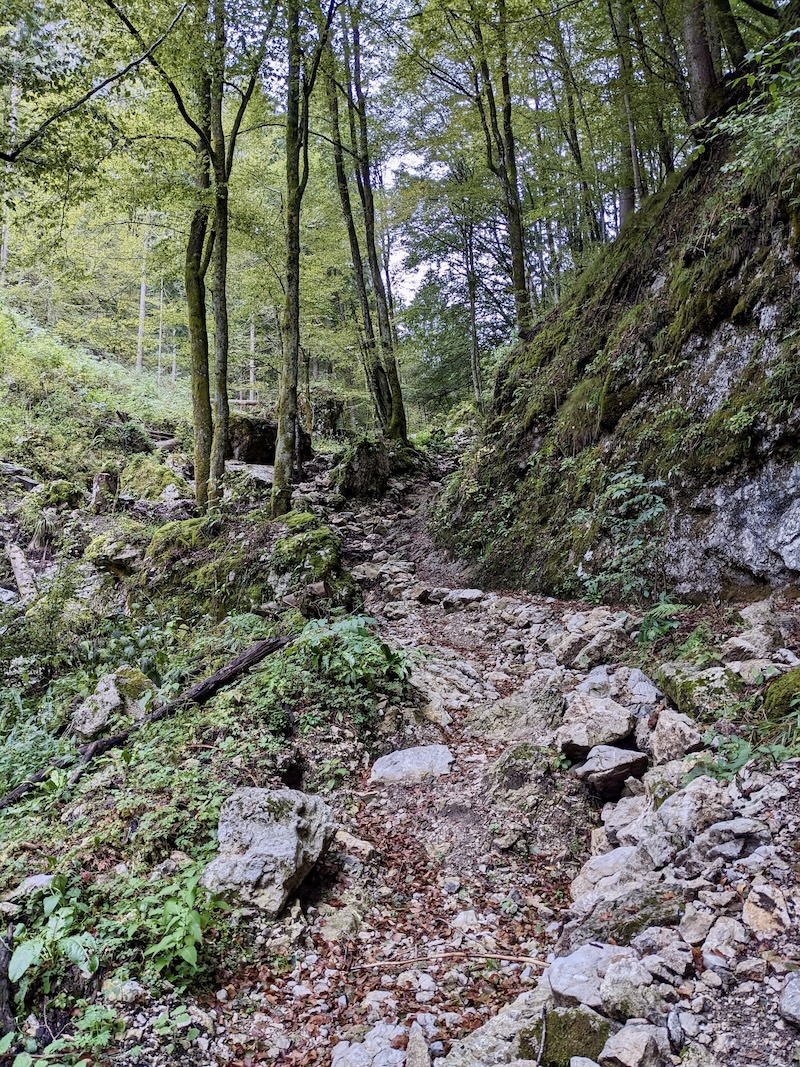
Pokljuška Soteska Gorge: A very cool section but be prepared for a tough climb, with some areas bordering on scrambling.
Stage 5 Practical Tips
Supplies: There are no water taps or food stops after leaving Bled. The last shop is a supermarket at Zgornje Gorje. Be sure to carry enough food and water for the day.
Weather: Avoid this stage on rainy days as the rocky terrain can become slippery and dangerous.
Where to Stay: There are two hotels in Goreljek, with Hotel Jelka Pokljuka being a popular choice for hikers. It’s a well appointed hotel rustic wood decor and roaring open fires. Reserve in advance, especially in the peak season. This hotel does have a restaurant, but check that it’s open as there may be no other place to buy food.
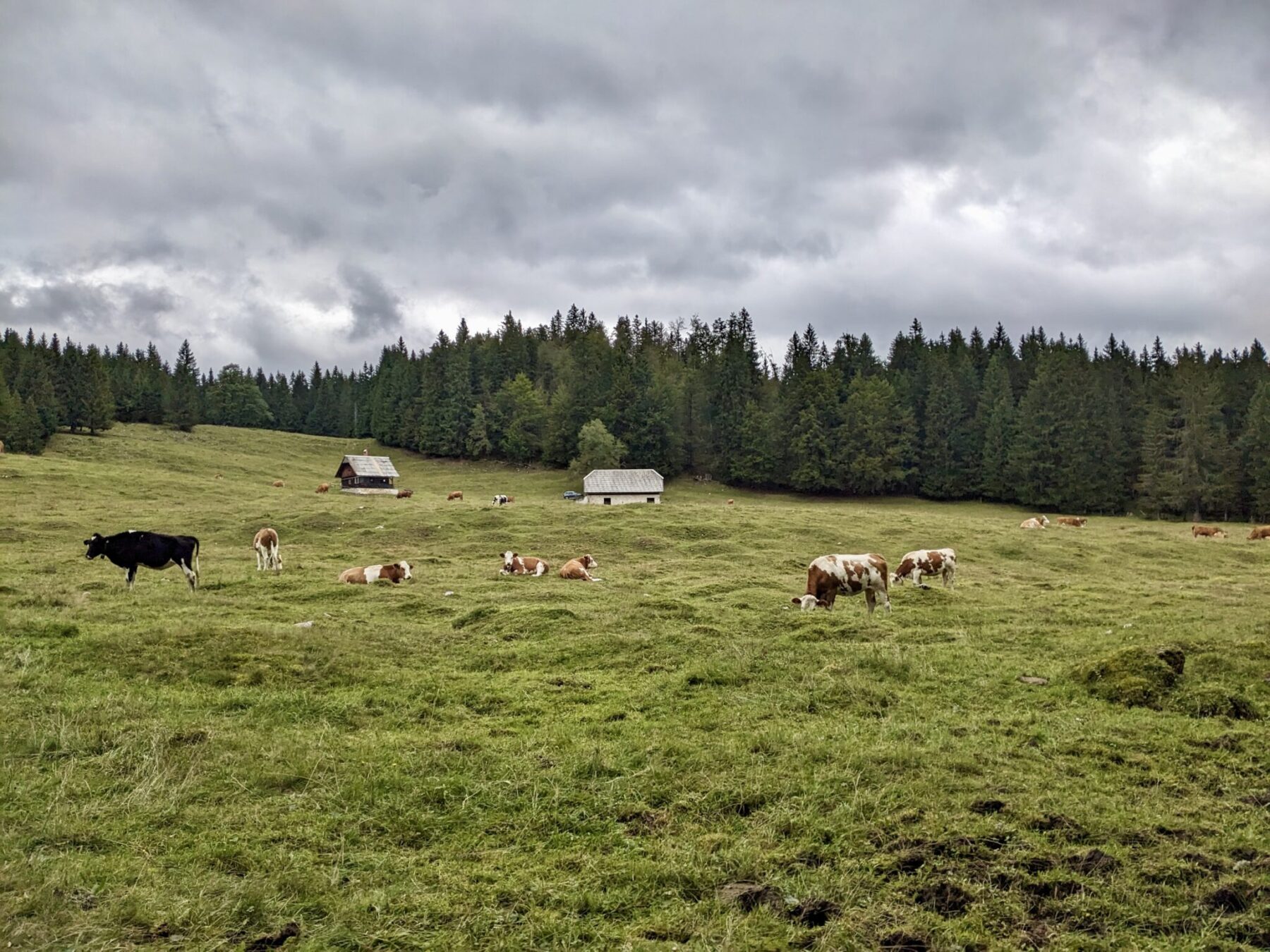
Day 2 — Stage 6: Goreljek to Lake Bohinj
- Distance: 21 km
- Duration: 6 hours
- Difficulty: Moderate
Stage 6 is a stunning hike that takes you from the pine forests of Goreljek down to Lake Bohinj, Slovenia’s most glorious lake. This stage involves a long descent, passing through picturesque alpine villages and cow pastures.
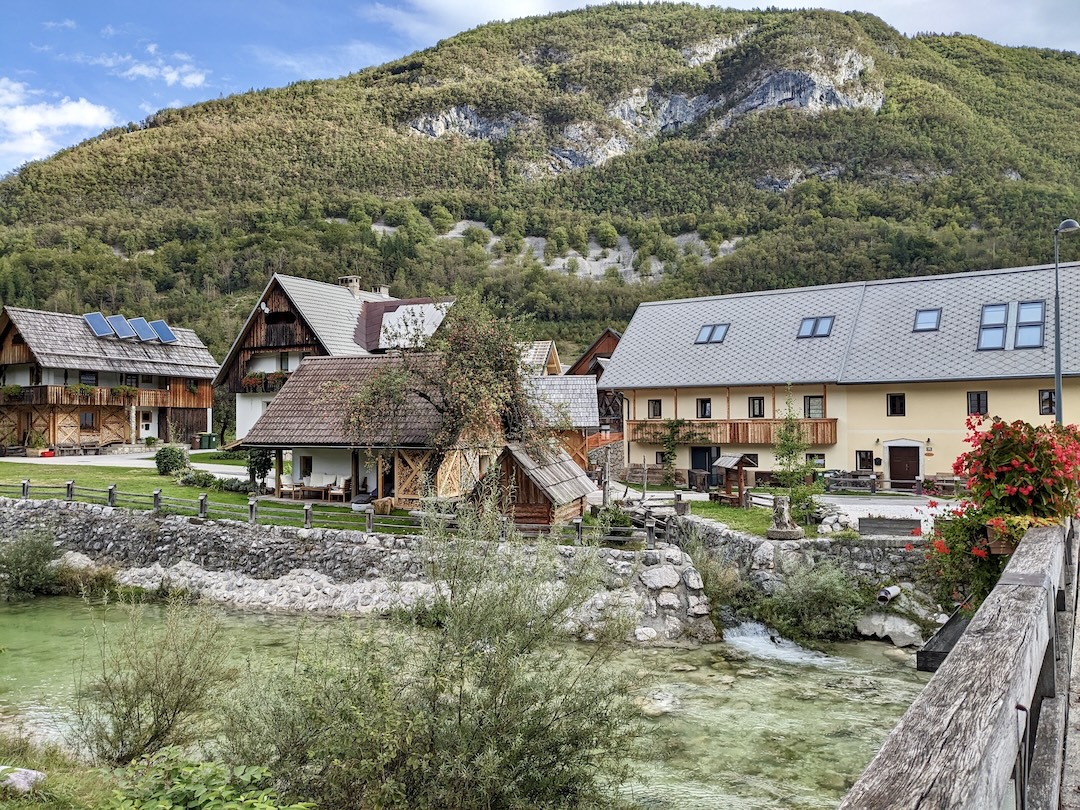
Stage 6 Key Highlights
Alpine Villages: Traditional Slovenian villages with small churches and grazing cows offer perfect spots to take a breather.
Lake Bohinj: The highlight of this stage, Bohinj is a peaceful lake surrounded by mountains, ideal for relaxing after the hike. Lake Bohinj deserves at least a full day to explore, so consider taking a break from the trail and spending an extra day here. Spend the night at Hotel Majerca. You can hike around the lake or swim in its crystal-clear waters.
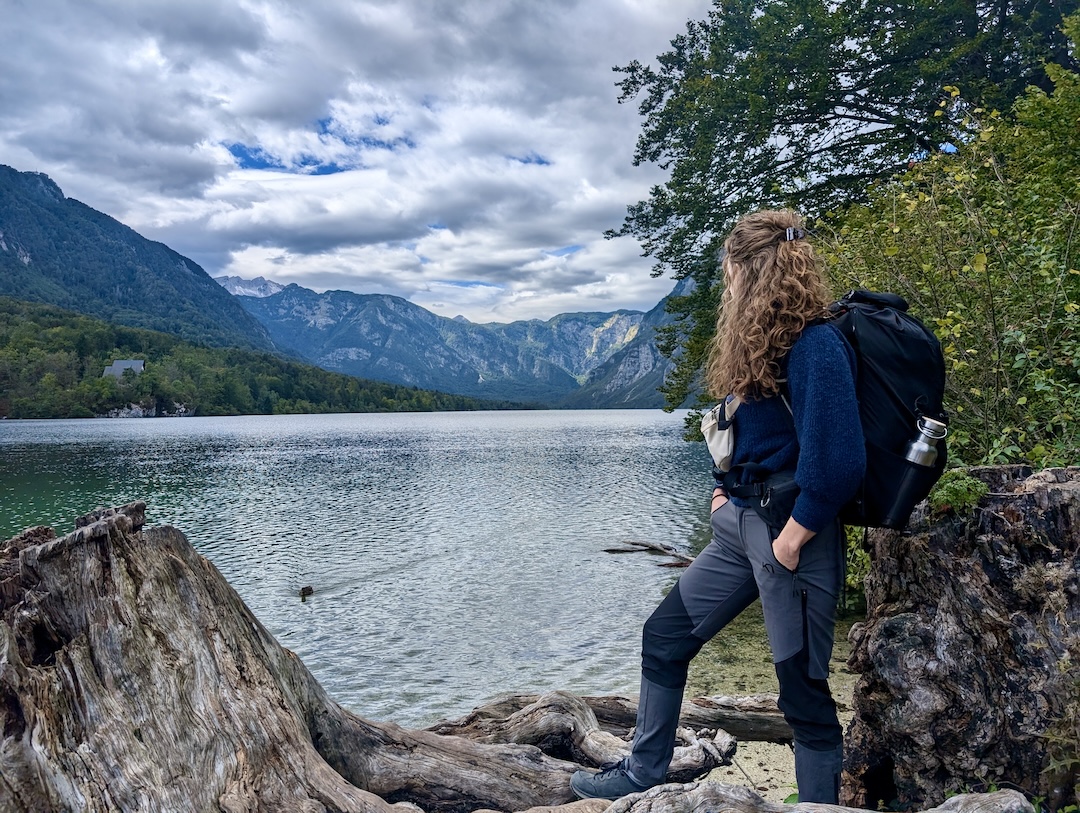
Stage 6 Practical Tips
Refill Water: This stage has plenty of water taps along the way, so you don’t need to carry as much as in Stage 5.
Lunch: There aren’t any cafés or shops until you reach the villages near the end of the trail. Consider packing a lunch from your accommodation.
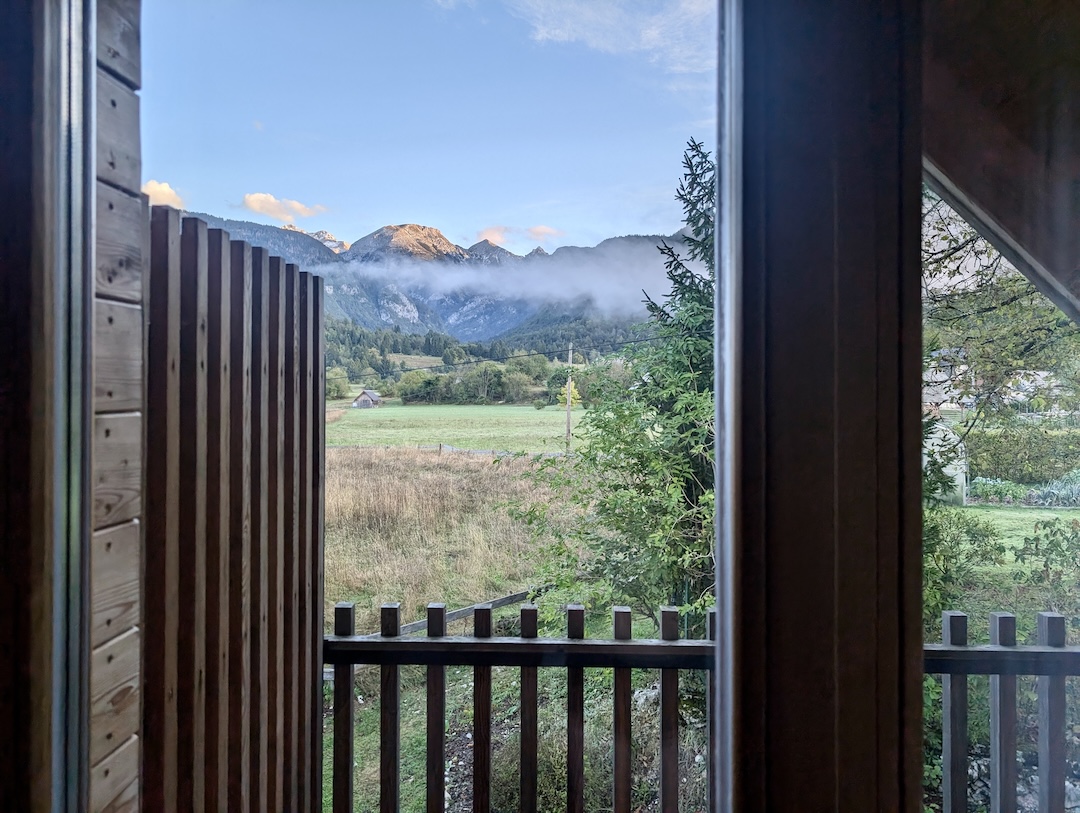
Where to Stay: Hotel Majerca is a boutique hotel with stunning mountain views and a Michelin award restaurant. Reservations are a must, especially for dining.
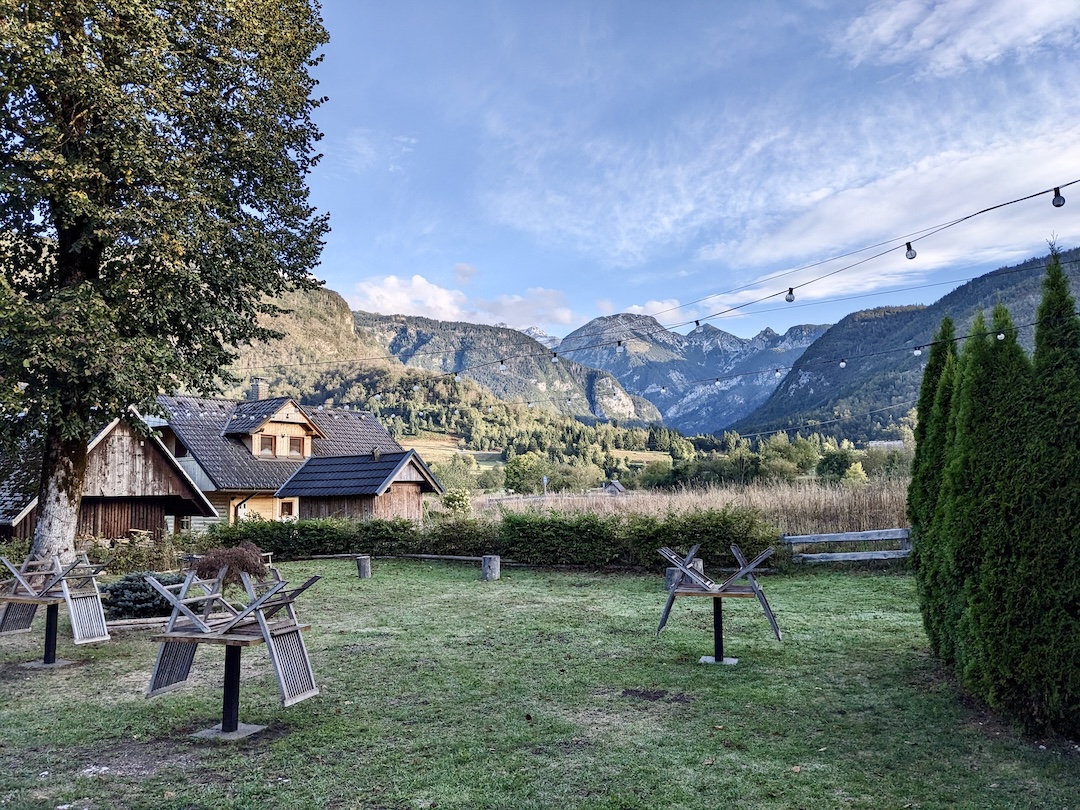
Day 3 — Stage 7: Stara Fužina (Lake Bohinj) to Bohinjska Bistrica
- Distance: 12 km
- Duration: 3-3.5 hours
- Difficulty: Easy to Moderate
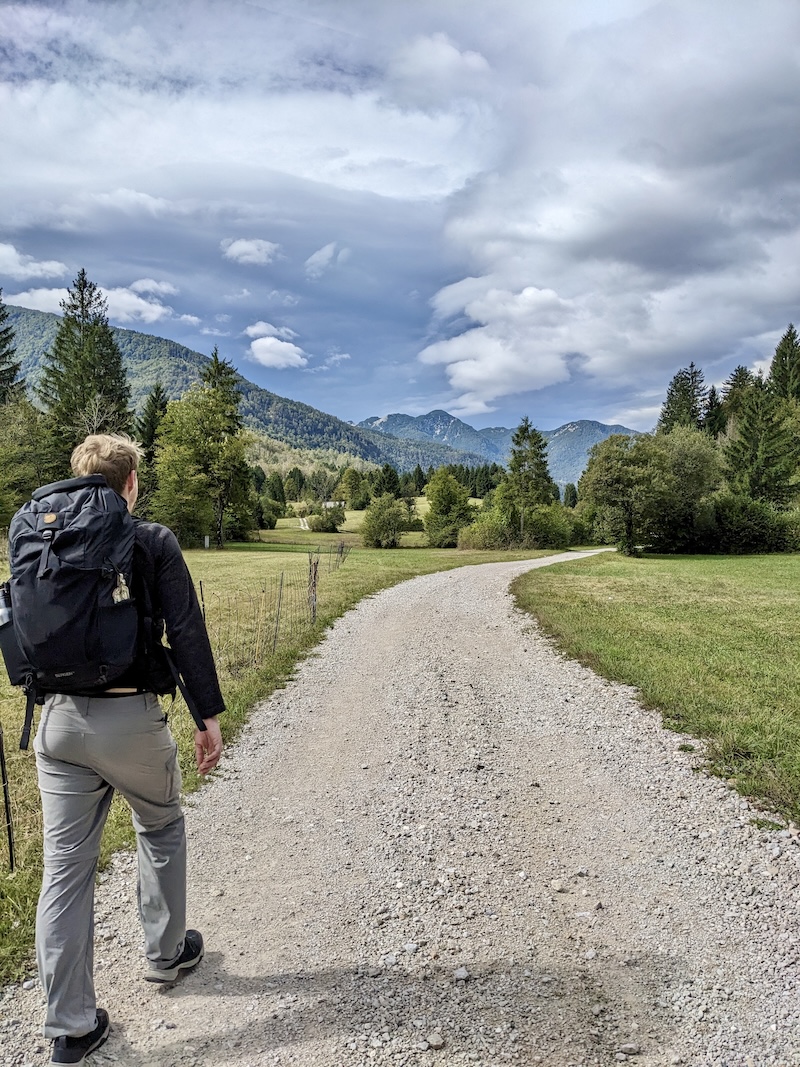
Stage 7 is a shorter, more relaxed hike, taking you from Stara Fužina on Lake Bohinj through beautiful green pastures and ending at the town of Bohinjska Bistrica. This stage is one of the most scenic parts of the entire Juliana Trail, offering classic Alpine landscapes.
Stage 7 Key Highlights
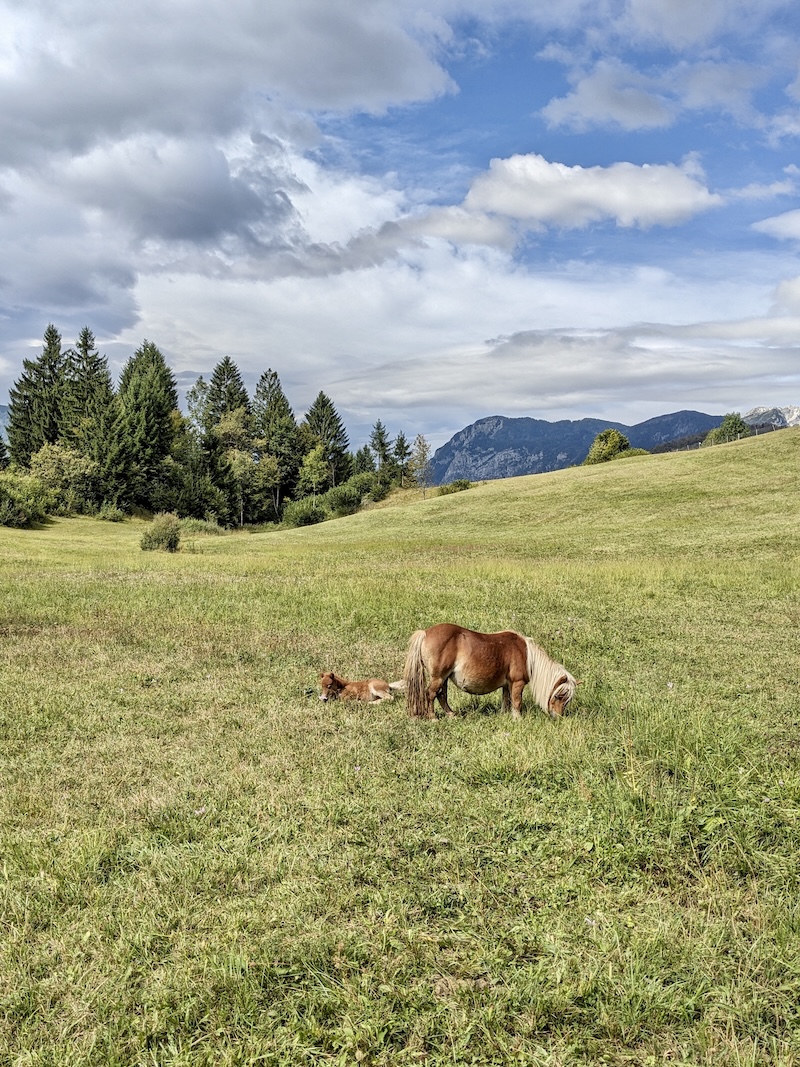
Alpine Pastures: Rolling green hills with traditional alpine houses and a few villages scattered along the way. This stage is relatively flat, making it accessible for most hikers, though there are a few minor climbs.
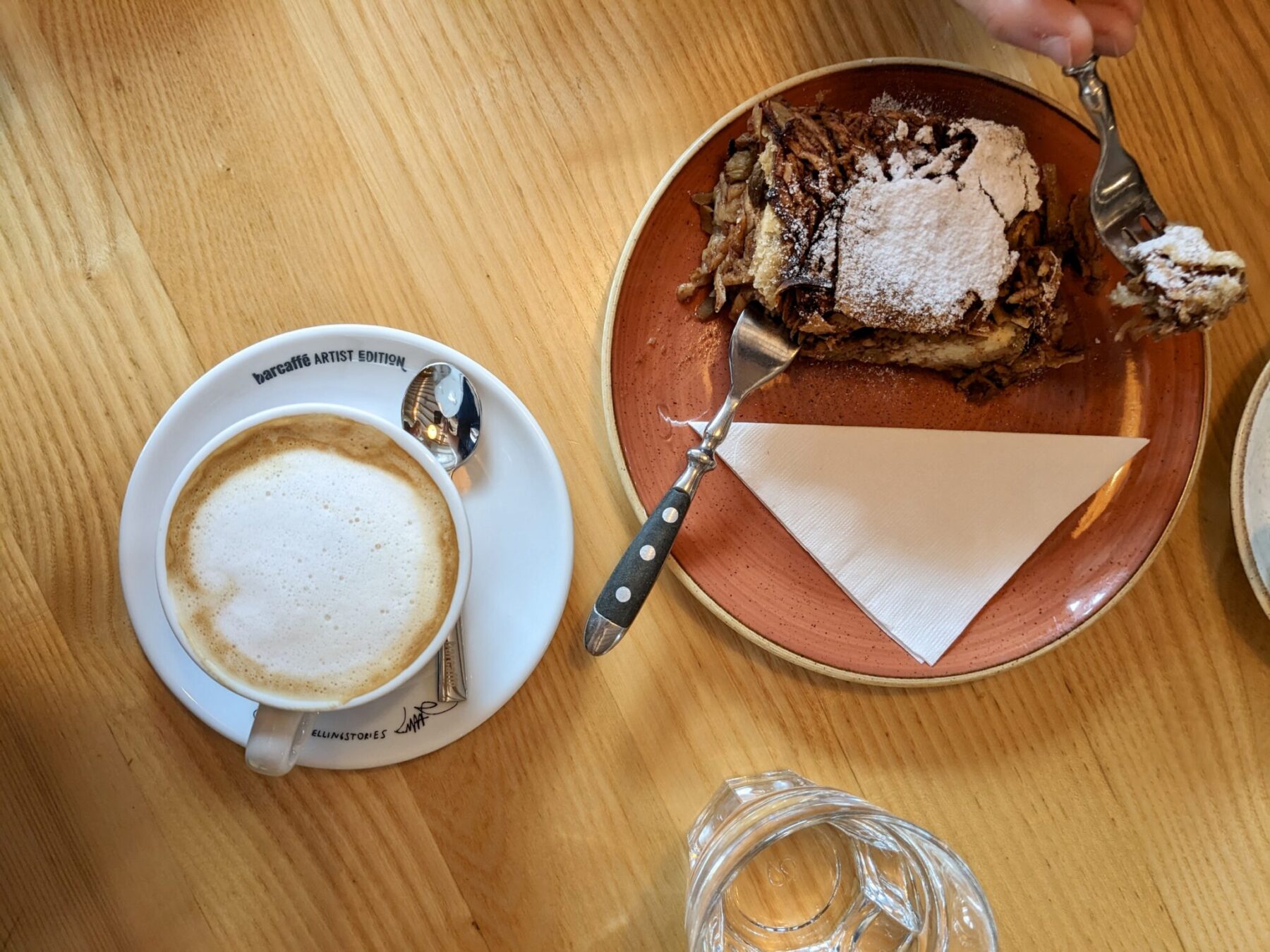
Bohinjska Bistrica: The charming small town at the end of this stage is surrounded by mountains and has a cosy café, Gostilnica Štrudl, where you can enjoy local specialties like their apple, walnut and cheese strudel.
Stage 7 Practical Tips
Bus Connections: If you’re looking to return to Bled, there’s a convenient half-hour bus ride from Bohinjska Bistrica. Keep in mind that buses are cash-only.
Where to Stay: Consider staying at Sunrose 7, a boutique hotel known for its relaxing ambiance. Alternatively, it’s easy to catch a bus back to Bled and stay at the homely Penzion Kaps. The bus ride is about 30 minutes.
Walking It In Reverse
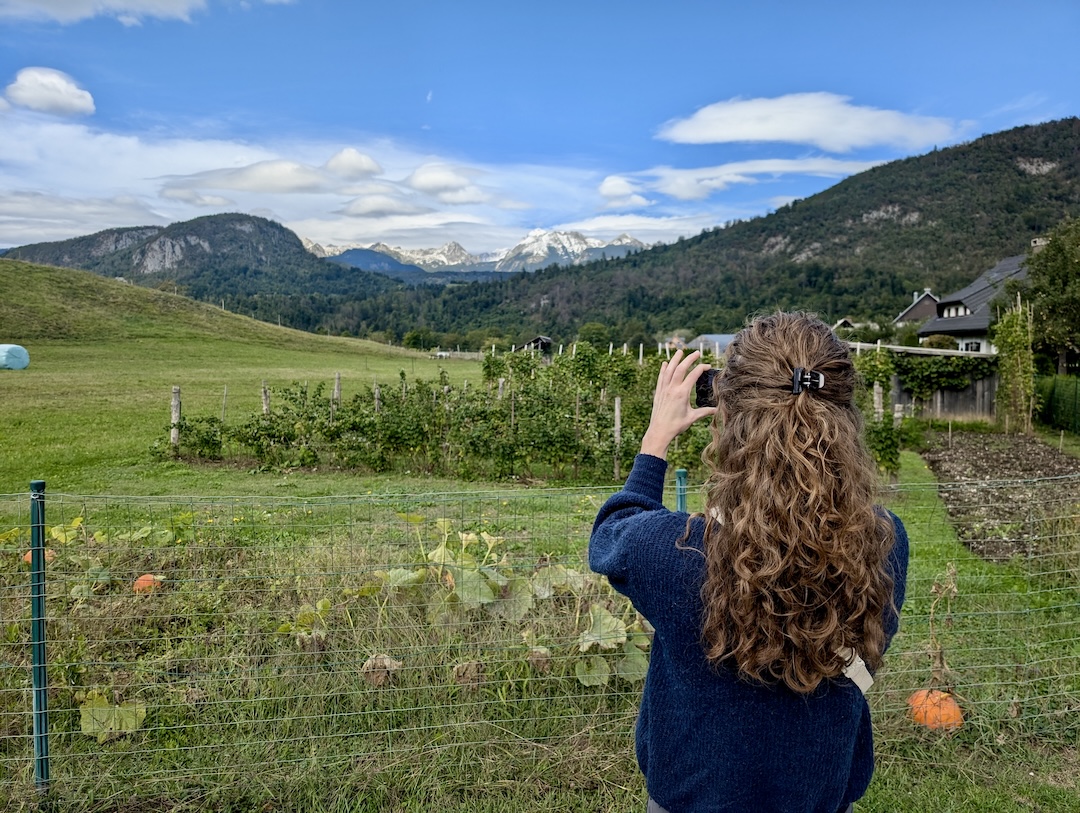
You can do these sections the opposite way round, and we actually did — starting in Bohinjska Bistrica and ending at Lake Bled. Our only reason was accommodation availability, but the backward route has a real advantage: it turns the challenging Stage 5 ascent into a descent instead.
How Many Days Do You Need on the Juliana Trail?
Sixteen to seventeen days for the full loop. The trail is designed to be walked in sections, so many people, like us, choose to hike a smaller part of the trail.
- 3 days — Lake Bled to Lake Bohinj (stages 5–7). The section in this guide. Links the two best-known lakes, easy to reach from Ljubljana, and the logistics are simple.
- 5 days — The lakes plus the Pokljuka plateau. Adds Stage 4 in from Begunje and a rest day at Bohinj.
- 7–10 days — Over to the Soča Valley. Picks up the western stages towards Tolmin, Kobarid and Bovec. A different landscape entirely with turquoise river rather than alpine pasture.
- 16–17 days — the full loop. Kranjska Gora back to Kranjska Gora.
When is the Best Time to Hike the Juliana Trail?
The season runs roughly May to October. May and early June are green and quiet, with some snow lingering on the higher stages. July and August are warm and busy, and accommodation needs booking months ahead. September is the sweet spot — we walked then and had mostly good conditions with some infrequent light rain, warm enough to swim in Bohinj and far fewer people. October is beautiful and increasingly unreliable.
What to Pack for the Juliana Trail
We recommend a water-resistant backpack and a CamelBak for water. Pack layers for the cooler evenings, especially at altitude in Goreljek. Make sure you have comfortable, waterproof hiking boots.
Supplies: Carry cash for buses and supplies, and pack sufficient food and water for the longer stages without amenities. There are no water taps on Stage 5 after Bled.
Navgiating the Juliana Trail
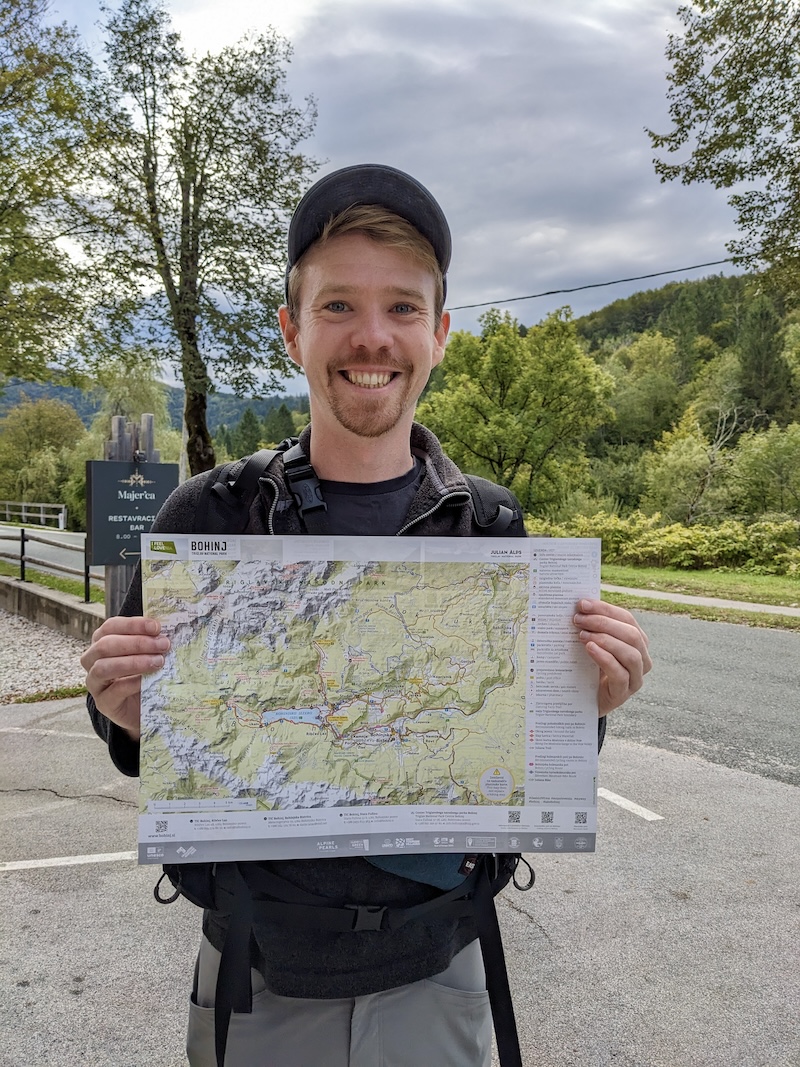
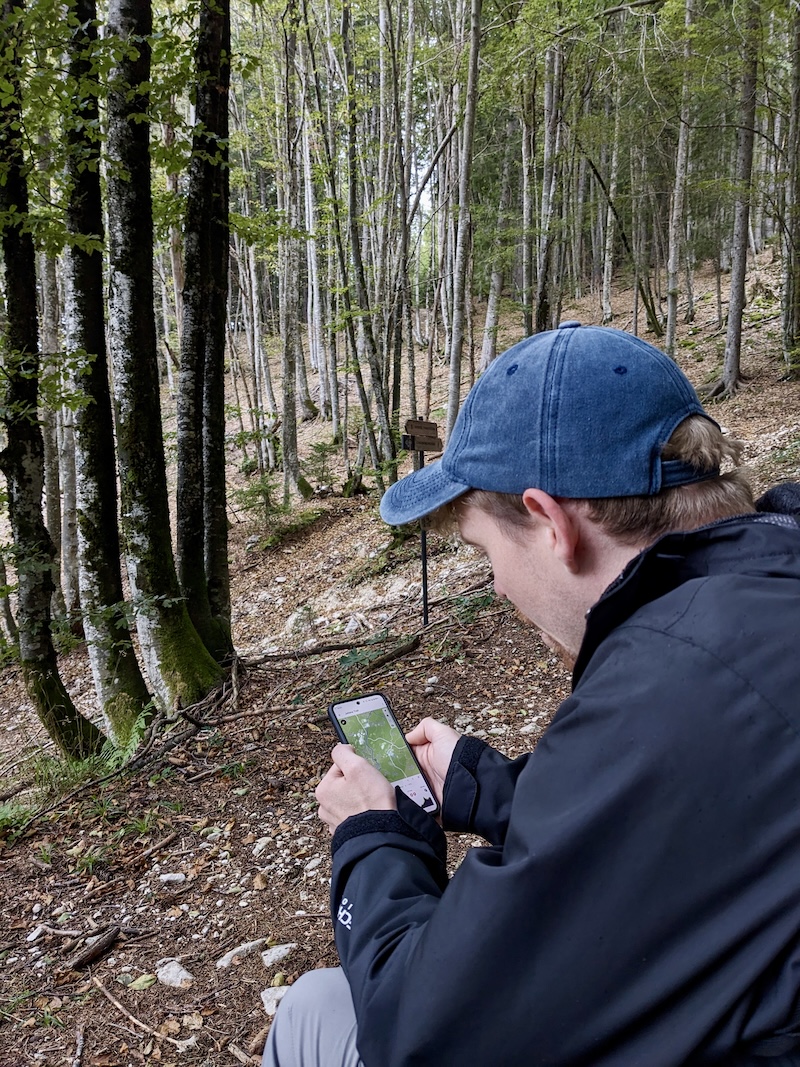
Navigation: The Julian Alps website has a map of the full Juliana Trail loop, which we used as a starting point to understand the different stages. We used the Komoot app for daily navigation. The route is mostly well-marked, particularly on Stage 7.
Getting There and Back
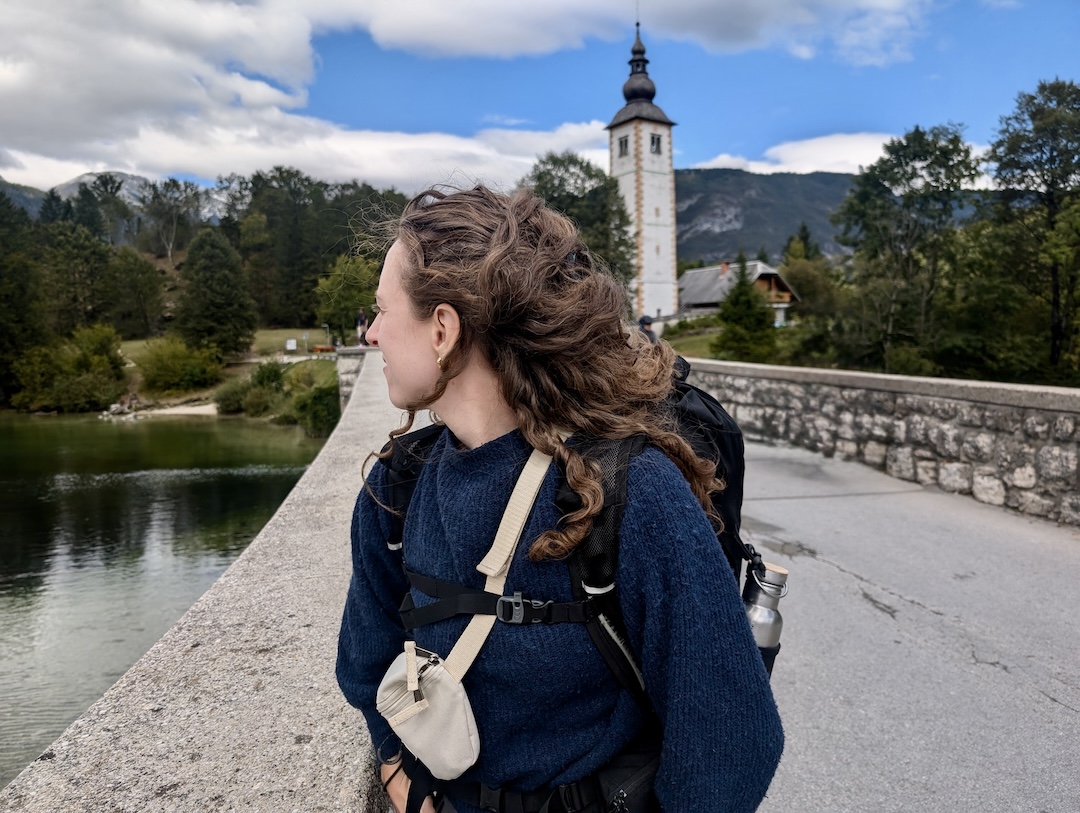
Ljubljana airport is the obvious arrival point, with regular buses on to Bled. From Bled, buses run to Bohinj in around 35–40 minutes for roughly €3–4 — hourly or better in summer, much thinner out of season.
At the end of Stage 7 you can get back to Bled from Bohinjska Bistrica in about half an hour by bus, or take the Bohinj Railway to Bled Jezero in around 20 minutes. Our Lake Bled to Lake Bohinj guide covers all four ways between the lakes in detail. If you are staying two or more nights at a partner property, the Julian Alps: Bohinj Card includes free train travel.
Plan Your Slovenia Trip
- Planning a Slovenia trip? Read our Slovenia travel itinerary.
- Watch our Slovenia Instagram highlight for more details on this trip.
- Need a beach? Piran is the perfect Slovenian beach destination to visit after a hike.
- Starting or ending in Lake Bled? Here’s our Lake Bled guide.