
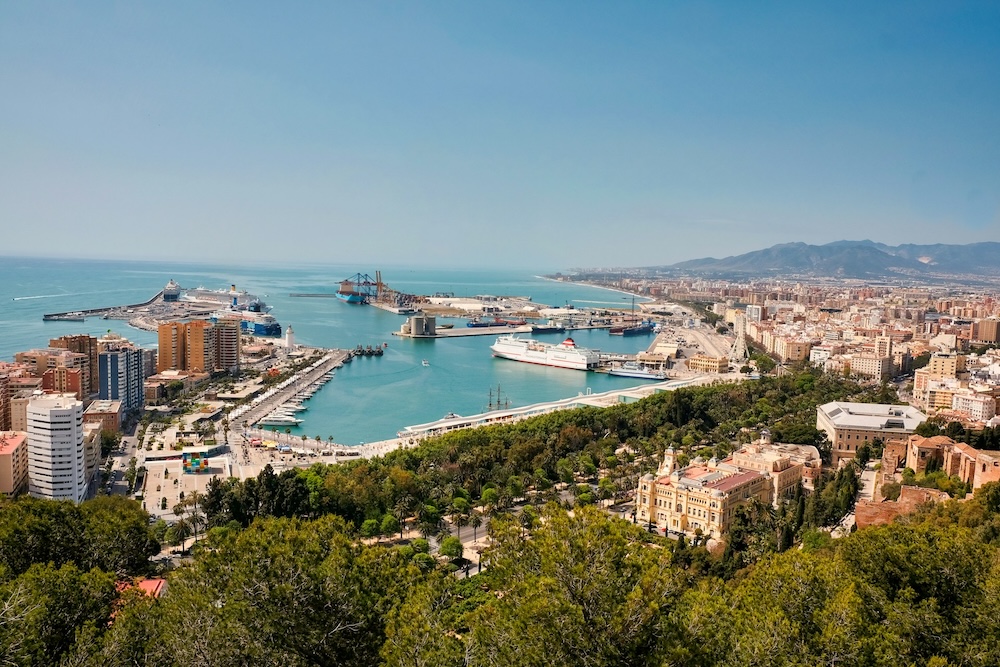

Málaga was not as expensive as we thought. We spent a weekend and working week in Málaga, exploring the city on our days off and in the evenings. We ate out, but we also bought groceries and cooked in. We found our coffee shops, but also had a few coffees at our apartment.
Málaga is not an expensive city, but it is a city where how much you pay comes down almost entirely to which streets you eat and drink on, and how much time you spend ‘out.’
In a Rush? Best Hotels in Málaga
Hotel Casa Beatas
A characterful stay in Málaga’s historic centre, with tapas bars, old streets and major sights right outside the door. Great for being in the heart of the action.
Check ratesHotel Well and Come Málaga
A stylish boutique hotel with a rooftop terrace and plunge pool — the perfect spot to cool off after exploring Málaga’s historic centre.
Check ratesApartamento Especería Blue
A central apartment offering the freedom of your own space, with Málaga’s old town right outside. Ideal for a more independent stay.
Check ratesSerenay Málaga Hotel
A relaxed base for exploring Málaga and the coast, with a comfortable atmosphere to return to after a day discovering Andalucía.
Check ratesIs Málaga Expensive?
Málaga is one of the better-value city breaks in western Europe, and noticeably cheaper than Barcelona, Madrid or Seville for food and drink.
Where it gets expensive is accommodation in the old town in July and August, and anywhere with a menu in four languages within sight of the cathedral or the port. The same caña that costs €2 three streets back will cost you €4 to €6 there, and without a free tapa.
Average Costs in Málaga
| Item | Typical 2026 Price |
|---|---|
| Train from Málaga airport to the city centre | €1.80 |
| Single city bus ticket | €1.40 (around €0.50 with a Bonobus card) |
| Espresso | Around €2 |
| Cappuccino | Around €3 |
| Caña (small beer) in a neighbourhood bar, often with a free tapa | €1.50–€2.50 |
| Caña in a tourist-facing bar near the cathedral or port | €4–€6 |
| Individual tapa | €2–€6 |
| Montadito or pincho | €1.50–€2.50 |
| Menú del día (set lunch, weekdays) | €8–€12 in local neighbourhoods, €12–€15 typical, €15–€20 around Calle Larios |
| Alcazaba entry | €3.50 (free Sundays from 2pm) |
| Alcazaba and Gibralfaro combined ticket | €5.50 |
The Two-Price Málaga
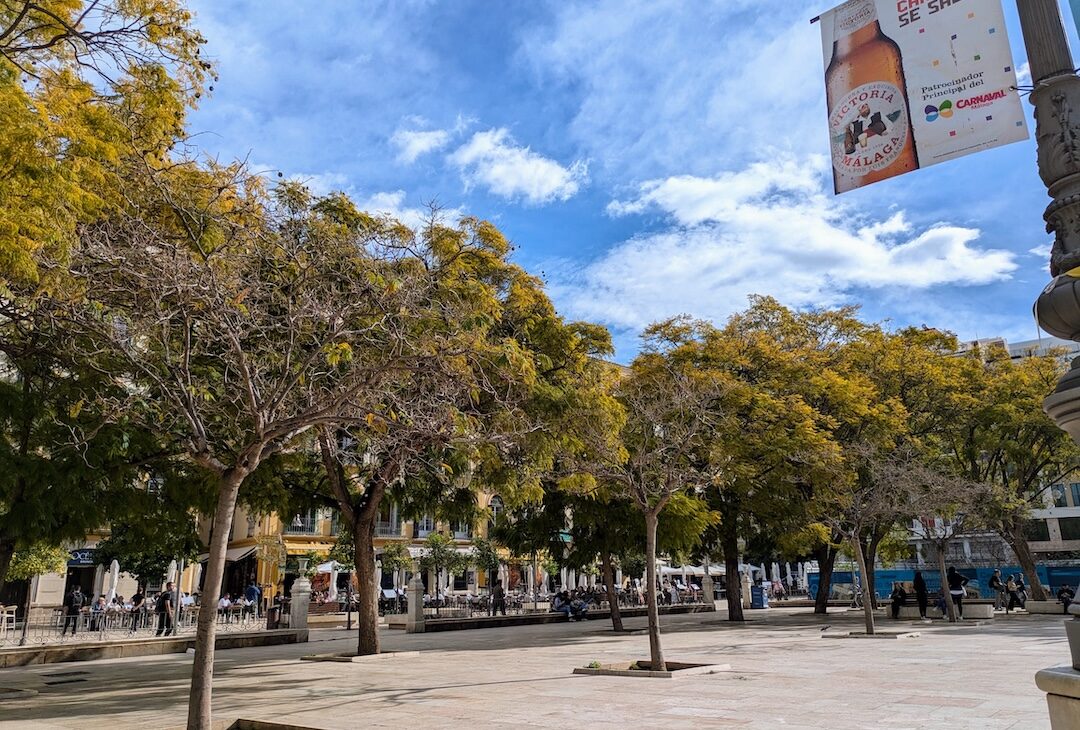
Málaga runs two parallel economies about three streets apart. On Calle Larios, around the cathedral and along the port at Muelle Uno, you are paying tourist prices: €4 to €6 for a beer. Walk five minutes into the residential streets, or east towards Plaza de la Merced and beyond, and the same beer is €2.
The same goes for food. There are many central tourist restaurants with high markups on average plates of food. The best tapas bar we found in the whole city, La Esquinita del Chupa y Tira, has no English menu and is packed with locals, which is why you often have to wait for a spot.
Accommodation Costs in Málaga
Accommodation is where Málaga can actually get expensive. The old town is the priciest part of the city and the gap widens sharply in July and August. Prices soften a lot in spring, autumn and winter.
We stayed by Plaza de la Merced, on the eastern edge of the old town, in an Airbnb apartment. We paid £50/night for 7 nights, totalling £584. We stayed during the low season in February, so prices are more reasonable than during summer or school holidays.
If you are watching the budget, the cheaper areas are Soho just south of the centre, Huelin to the west, and the eastern neighbourhoods out towards Pedregalejo. We have a full breakdown in our guide to where to stay in Málaga.
When you go changes this more than anything else. Accommodation swings hardest — the old town in August and the old town in February are two different prices for the same room, and the gap is wide enough to change which neighbourhood you can afford. We went in February and stayed right in the centre for what a beach-neighbourhood flat would have cost us in summer. The areas are broken down in our guide to where to stay in Málaga.
Cost of Getting Around Málaga
Cheap, and mostly unnecessary. The C-1 Cercanías train runs from the airport to Málaga Centro-Alameda in about twelve minutes for €1.80, every twenty to thirty minutes. That single fact removes the biggest hidden cost of a lot of city breaks, because you never need an airport transfer or a taxi.
City buses are €1.40 a single, dropping to around €0.50 a journey with a Bonobus card, which is worth it if you are staying out east and coming into the centre regularly. Beyond that, the historic centre is small and flat and we waked almost everywhere.
Do not hire a car unless you are doing several inland day trips. It is a liability in the old town and parking is an unnecessary daily cost. If you’re heading down the Costa Brava, hire a car after your stay in Málaga.
Cost of Eating Out in Málaga
Eating out is the best value in the city and the main reason Málaga feels cheap. The single best-value move is the menú del día, the weekday set lunch: two courses, bread, a drink and usually dessert or coffee, for €8 to €12 in a local restaurant and €12 to €15 in most places. Spaniards eat their main meal at lunch.
Individual tapas run €2 to €6, and montaditos, the small bread-based ones, €1.50 to €2.50. In the more traditional neighbourhood bars a small beer still comes with a free tapa, which is not the case in the tourist centre.
Tapas places we loved and kept going back to:
- La Esquinita del Chupa y Tira — The best tapas bar we found in Málaga and completely unpretentious. It is authentic and it gets busy, so go early or be prepared to wait.
- La Despensa de Victoria — A tiny shop-bar where we went for wine and Spanish omelette. The kind of place that is half grocery, half counter, and all the better for it.
Our favourite coffee and treats:
- BOLO Specialty Coffee & Bread — Our morning coffee for the week. Takeaway hatch, very good coffee, genuinely friendly staff.
- TiramiSur — We ate a few too many tiramisus here.
- MYKA Greek Frozen Yogurt — I had one almost every day, with pistachios, on a late-afternoon walk after work. An entirely reasonable way to live.
Cost of Alcohol in Málaga
If you are drinking where locals drink, alcohol is fairly cheap. A caña is €1.50 to €2.50 in a neighbourhood bar, often with a tapa, and €4 to €6 in a tourist bar without one. House wine by the glass is usually a couple of euros in the same local places.
Málaga also has its own sweet wine, served from wooden barrels in the old bodegas around the centre. It is a cheap thing to try and more interesting than another beer.
Cost of Attractions in Málaga
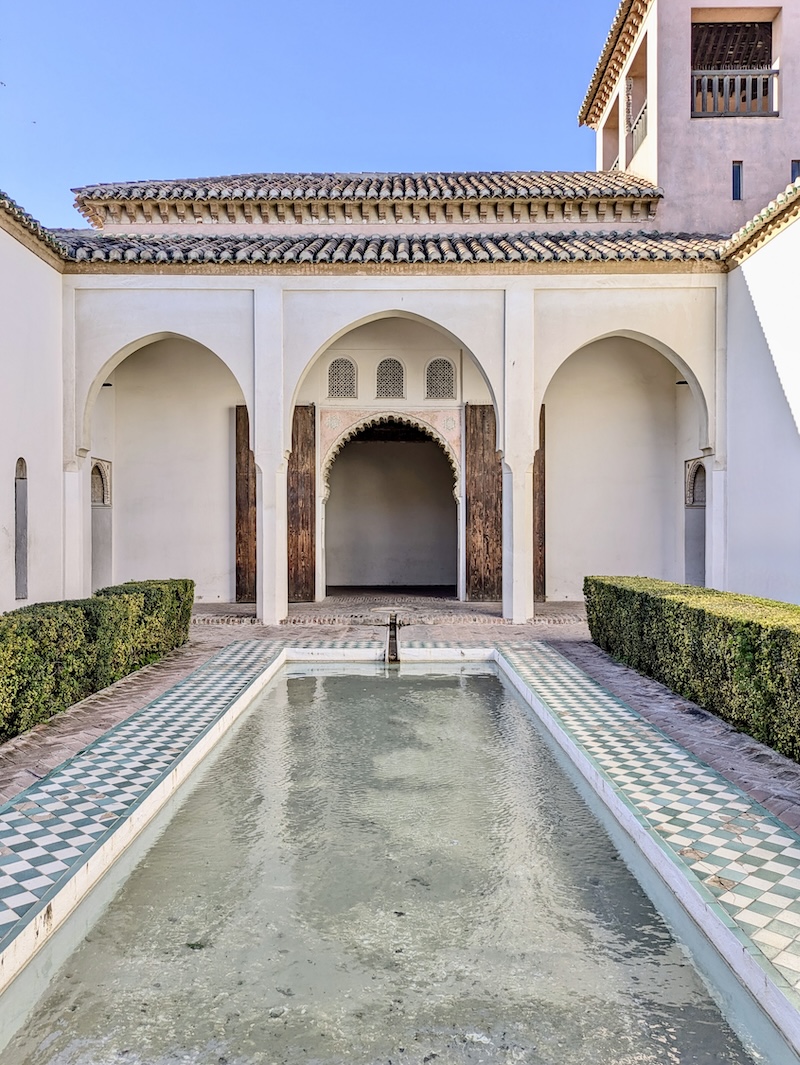
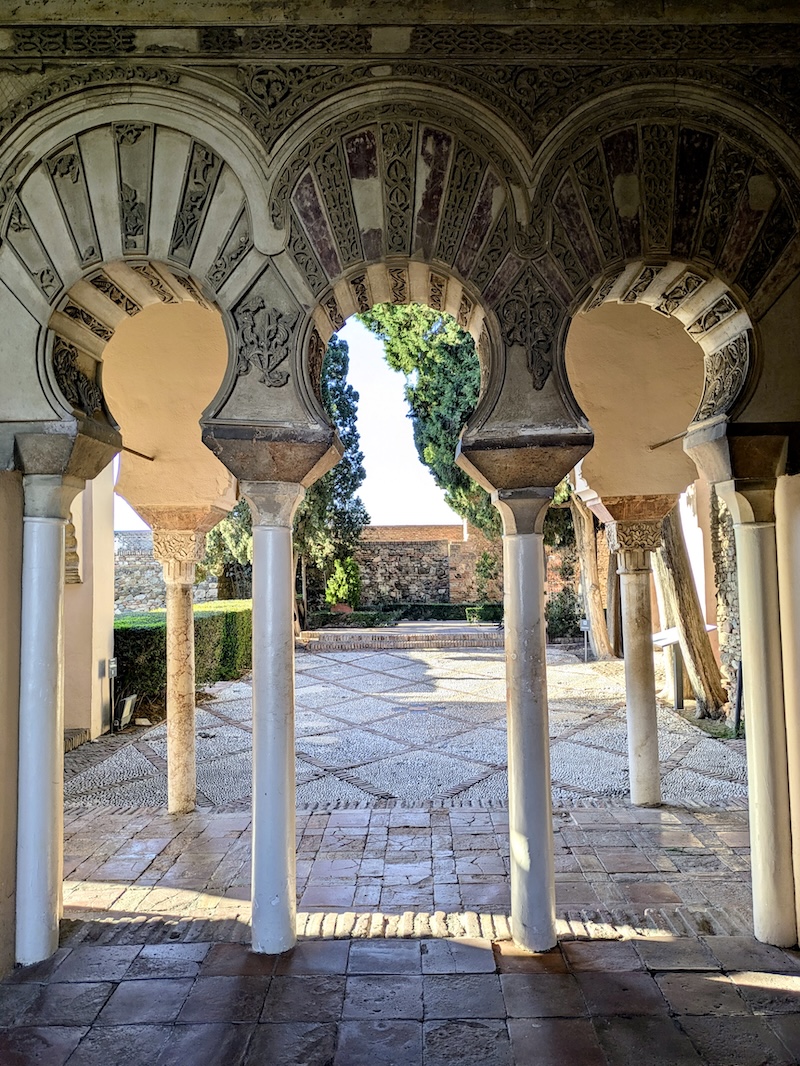
Sights are low-cost by European city standards. The Alcazaba, the Moorish palace-fortress on the hillside and the best thing to do in the city, is €3.50. A combined ticket with Gibralfaro Castle above it is €5.50, which saves €1.50 on buying both. Both are free every Sunday from 2pm until closing, which is the single biggest saving available in Málaga.
The Alcazaba is worth it at any price. It is not as grand as the Alhambra in Granada, and it does not pretend to be, but it is beautiful and the views over the city are excellent.
A lot of the best of Málaga is free. The Roman theatre can be seen from the street. The Soho street-art district is a walk. And the best view we found in the city cost nothing at all: Cerro San Cristóbal, a hill on the edge of town that we walked up for golden hour.
If you would rather book ahead, these are the paid tours and tickets running in Málaga at the moment, with current prices, so you can see what the activity side of a trip actually costs.
Day Trips: Where We Saved Money
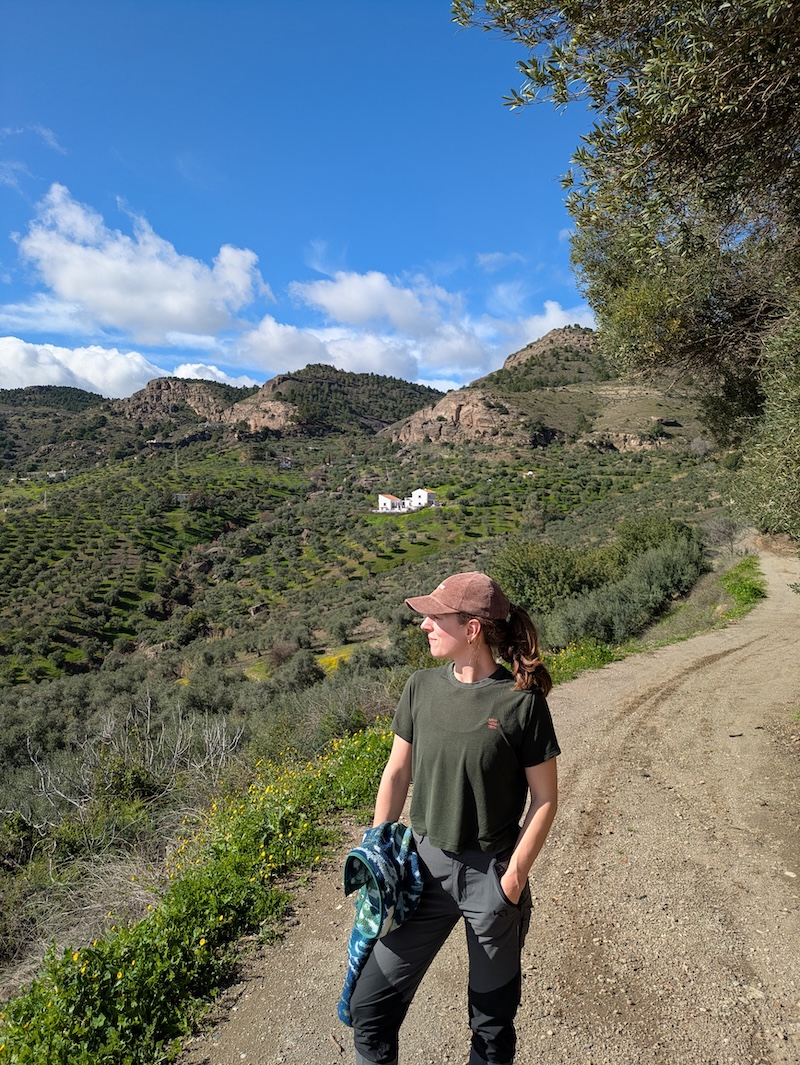
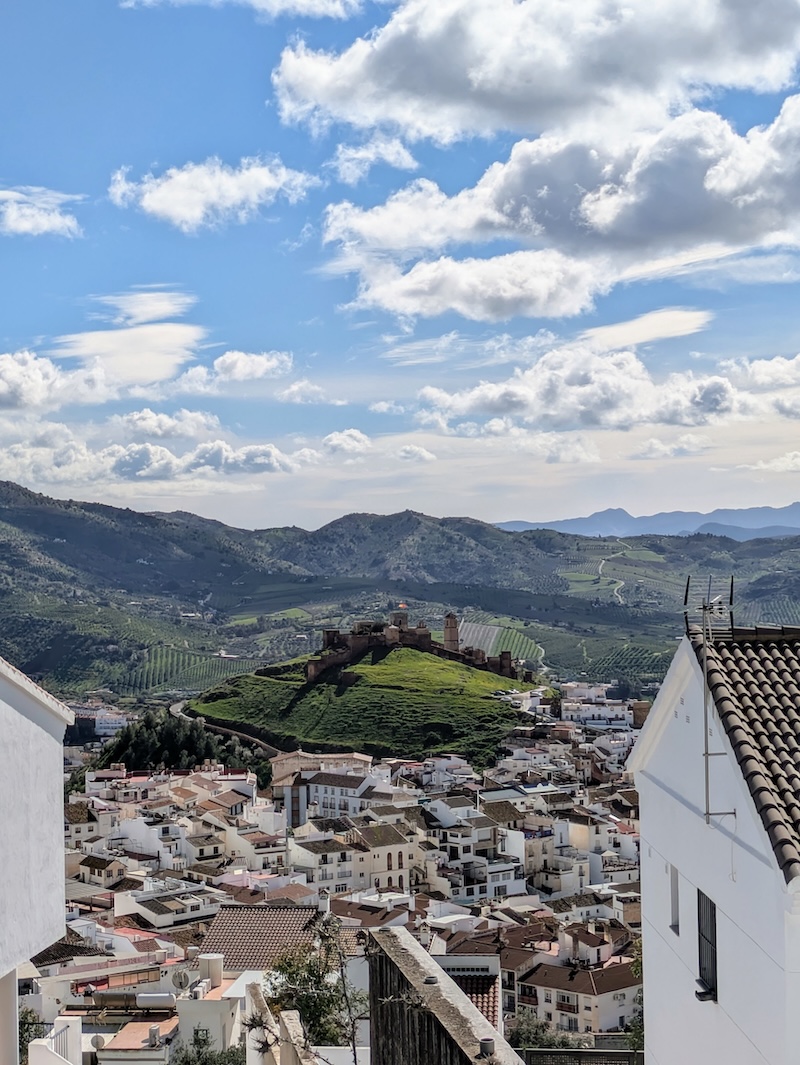
We had one day free for a day trip and we wanted to hike, so we looked at the Caminito del Rey, which is the day trip every Málaga guide sends you on. We did not do it, and we would make the same call again.
Instead we hiked at Álora, further into the countryside. It was cheaper, quicker and easier to reach on public transport, far less touristy, and a considerably better walk. The Caminito del Rey is short, and it is a timed-ticket, one-way, book-well-ahead sort of experience. What we wanted was to be surrounded by greenery for a day, and Álora delivered exactly that. It was stunning.
How to Do Málaga on a Budget
- Take the train from the airport. €1.80 and twelve minutes, rather than a taxi.
- Eat your main meal at lunch. The weekday menú del día is the best value in Spain and it is a fraction of the price of the same food in the evening.
- Walk three streets back from anything famous. This is worth more than every other tip combined.
- Go to the Alcazaba on a Sunday after 2pm. Free.
- Climb Cerro San Cristóbal at golden hour instead of paying for a viewpoint.
- Buy a Bonobus card if you are staying outside the centre.
- Visit outside July and August. Accommodation is the only expensive thing in Málaga and peak summer is when it bites.
Is Málaga Cheaper Than Other Spanish Cities?
Yes, for food and drink, and usually for accommodation too. Málaga is cheaper than Barcelona and Seville, and broadly comparable with or slightly cheaper than Madrid, while being a smaller and more walkable city than any of them.
Is Málaga Expensive? FAQ
Your daily budget depends almost entirely on accommodation and on whether you eat in the tourist centre. Food, drink, transport and attractions are all cheap, so a set lunch, a couple of cañas with tapas, a bus fare and an attraction ticket will not come to much. Accommodation is the line that moves, and in July and August it moves a lot.
Málaga city is generally better value than the resort towns along the coast. It is a working Spanish city rather than a holiday destination, so it has ordinary bars and shops serving the people who live there.
The cheapest time to visit Málaga is winter and early spring, when accommodation drops sharply. The city stays mild and everything except the beach restaurants keeps running, while spring and autumn give you the best balance of price and weather.