
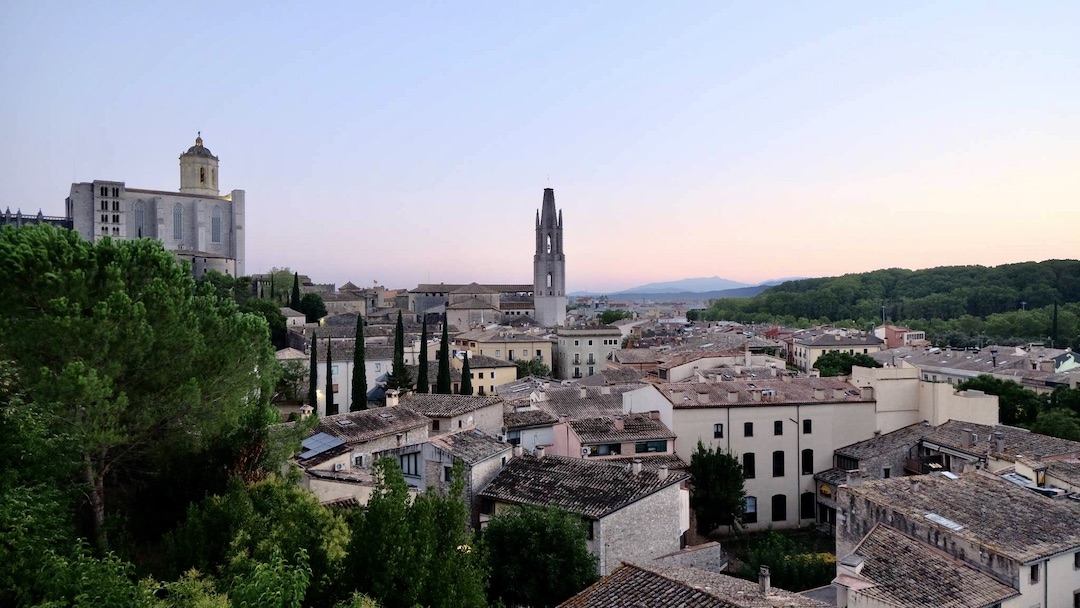

Most people give it half a day as a stop-off from Barcelona. It has its own airport, it is an hour from the Costa Brava, and it works far better as a base than as a stop. If you are a cyclist, it is one of the best bases in Europe.
Girona is a medieval city in Catalonia, about 40 minutes by fast train from Barcelona, and the best things to do here sit inside one walkable Old Town: the Cathedral and its 90-step staircase, the intact city walls, one of Europe’s best preserved Jewish quarters, the 12th-century Arab Baths, and the row of coloured houses along the Onyar.
Girona is an exciting city in northeast Spain (or Catalonia, as the locals would say) with a beautifully preserved medieval Old Town. Visit the town to wander its cobblestone streets and if you’re a keen cyclist, use it as a base from which to venture into the surrounding countryside.
As it has its own airport and isn’t too far from either Barcelona or the Costa Brava, it makes a great city break for a long weekend or could be part of a longer trip to Catalonia.
We spent a full month living in Girona, in an apartment a few minutes from the Old Town, and it turned out to be one of our favourite places to be based in Spain. This guide is everything we worked out in that month: the sights worth your time, the bars and cafes we kept going back to, where to stay, and how to use Girona as a base for exploring the Costa Brava.
In this guide:
- Is Girona Worth Visiting?
- How Many Days Do You Need in Girona?
- The Best Things to Do in Girona
- Girona Cathedral
- Game of Thrones Filming Locations
- Where to Eat in Girona
- Where to Stay in Girona
- Day Trips from Girona
- Best Bars and Coffee Shops
- How to Get to Girona
- Best Time to Visit Girona
In a Rush? Our Favourite Apartments in Girona
Gaia Apartments & Lofts
Beautiful boutique apartments in the heart of Girona’s Old Town, with stylish interiors, river views from many apartments and everything you need for a longer stay. Ideal for exploring the historic centre on foot.
Check ratesBravissimo Catedral
A spacious apartment overlooking Girona Cathedral, just steps from the city’s most iconic sights. Perfect if you want to stay in the middle of the Old Town with plenty of space and unbeatable views.
Check ratesLa Comuna by Bon Dia Residences
A beautifully designed boutique residence in Girona’s historic centre, popular with cyclists and city-break travellers alike. Expect modern apartments, thoughtful design and an excellent location for exploring on foot.
Check ratesIs Girona Worth Visiting?
Yes, and we would argue it deserves more than the half day most people give it as a stop-off from Barcelona.
The case against is that it is small. If you want big museums, beaches on your doorstep and a nightlife district, this is not that city. If you have already done Barcelona, or you want somewhere calm to sit still for a week, Girona is the better choice.
Girona is a city of just over 100,000 people, but it packs an enormous amount into a small space: a Roman-founded old town, medieval walls you can walk at sunset, one of the best preserved Jewish quarters in Europe, and a food scene that punches far above its weight. The Roca brothers are from here, and El Celler de Can Roca has held three Michelin stars and been named the best restaurant in the world twice.
What sold us was how liveable it is. You can cross the Old Town in fifteen minutes, the countryside starts more or less where the streets end, and the Costa Brava beaches are an hour away by bus. It is also noticeably cheaper and calmer than Barcelona, which matters a lot if you are staying more than a couple of nights.
How Many Days Do You Need in Girona?
One day is enough for the headline sights. The Cathedral, the city walls, the Jewish Quarter and the Arab Baths all sit within a few hundred metres of each other, which is why Girona works so well as a day trip from Barcelona.
Two to three days is what we would recommend for a first visit. That gives you time to do the Old Town slowly, eat somewhere memorable, walk the walls at sunset, and still fit in one day trip to the coast.
A week or more if you want to use Girona as a base, which is what we would suggest. We stayed a month and never ran out of things to do. There are hiking and cycling routes leaving straight from the city, a dozen Costa Brava beach towns within two hours, and Barcelona is under 40 minutes away by fast train.
The Best Things to Do in Girona
The best things to do in Girona are the Cathedral and its staircase, walking the full loop of the city walls, the Call (the Jewish Quarter) and its museum, the Arab Baths, the Sant Pere de Galligants monastery, and the view of the coloured houses from Pont de Sant Agustí. All of them sit inside the Old Town, and you can see the lot in a full day, though two is better. You can also browse guided tours and tickets in Girona if you would rather have someone else do the planning.
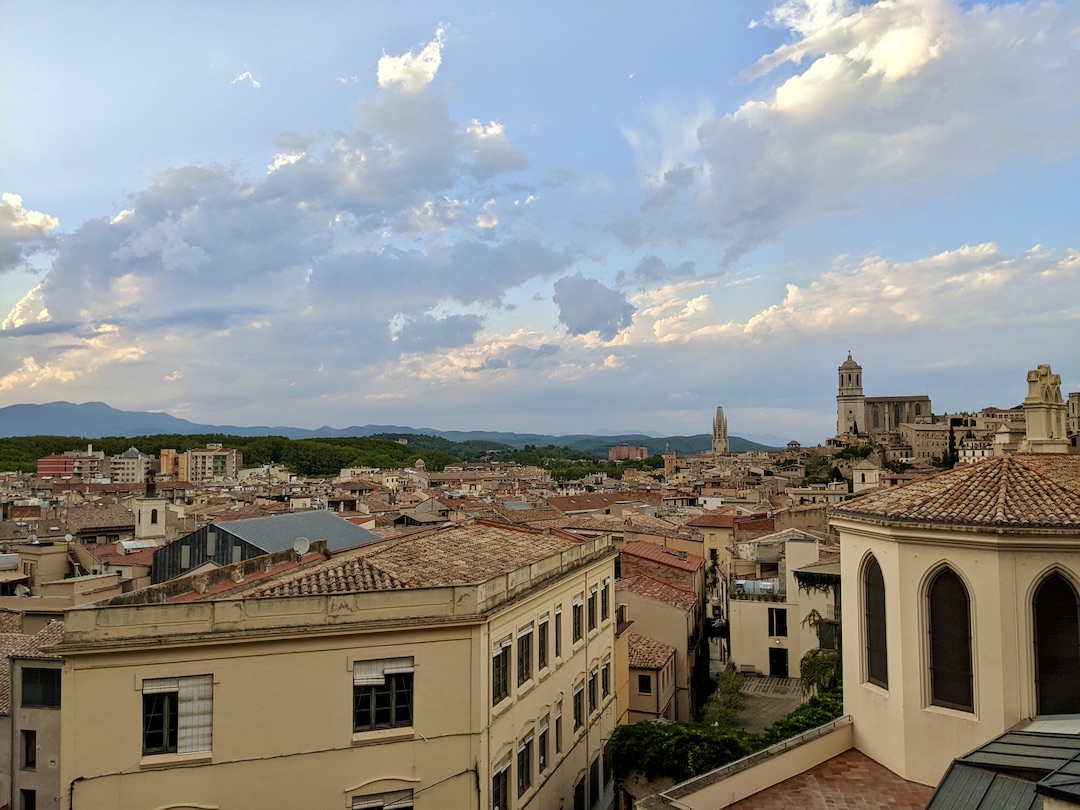
If you do only one thing whilst in Girona it should be a walk along the City Walls (Passeig de la Muralla), preferably at sunset with a camera in hand. These free-to-access walls give the best views of the city’s impressive churches, rooftops and spires. You can walk along an unbroken stretch of wall for about fifteen minutes, all the way from the Jardins de les Pedresres to the ruins of the Torre Gironella. There’s another, smaller stretch of walls, also worth a visit, by Sant Pere de Gallagants.
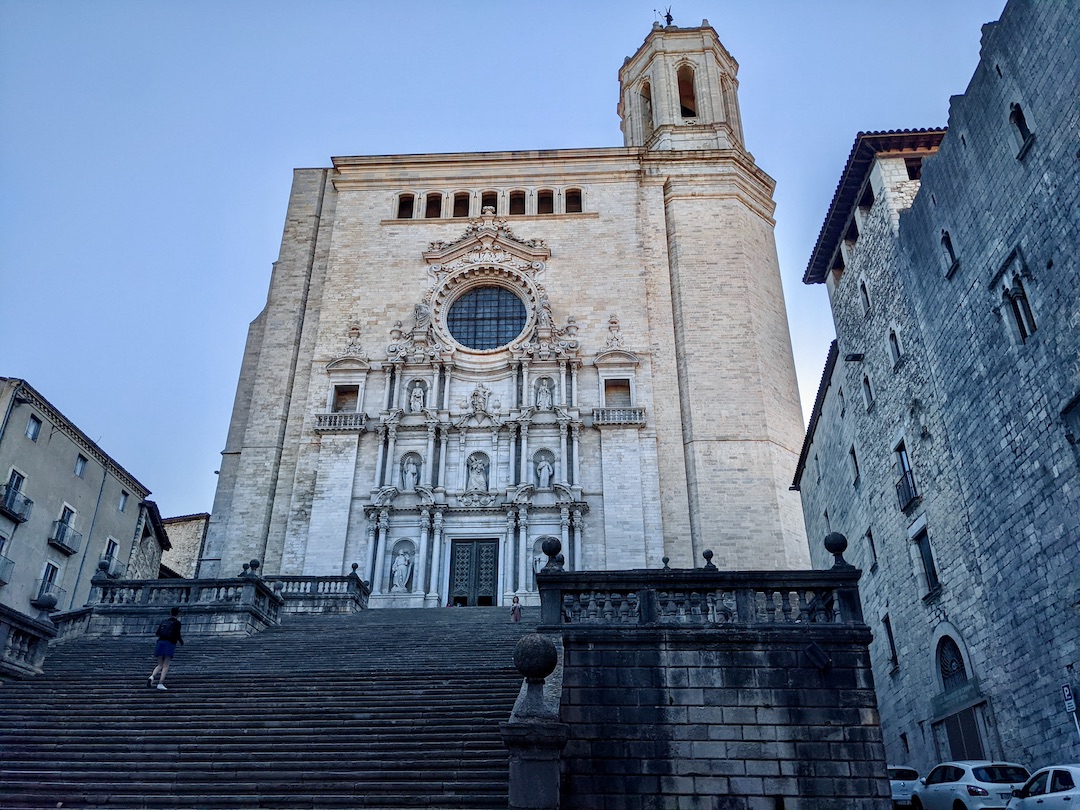
The iconic Cathedral of Girona will be recognisable to Game of Thrones fans as the “Great Sept of Baelor.” Tourists flock to this site to take photos on the steps. You can enter the cathedral itself and learn more about the history of the building and the religious art and objects inside through an audio guide.
The most picturesque part of the Old Town is the exceptionally well preserved Jewish Quarter (known as the “Call”). Generations of Jews lived here for hundreds of years, perhaps as long ago as the Roman period, until the expulsion of the Jews from Spain.
If you have the time, I recommend spending an hour or two in the Jewish History Museum, which has a beautifully preserved leafy courtyard.
The old Arab Baths of Girona are open as a historical site to visitors. The building, which was also used to film Game of Thrones, was divided into pools of different temperatures for bathers. It’s not a big building, but it’s well worth the three euro entry fee.
Girona Cathedral and the Cathedral Steps
Girona Cathedral is the thing everybody photographs, and the reason is the staircase: 90 baroque steps rising to a single flat facade. Behind it is the widest Gothic nave in the world, at just under 23 metres. It looks staged. It is not.
Go early. By mid-morning there are people sitting on every level of the steps and the shot everyone wants becomes impossible. We went repeatedly at around eight, when it was us and a street cleaner, and the light comes across the facade rather than into your lens.
Inside, the nave is the point. There is no row of pillars breaking it up, so you take in the full width in one look, which is a strange thing to stand in after a run of ordinary cathedrals. The Tapestry of Creation in the museum is the other reason to buy a ticket rather than just climb the steps: an embroidered hanging from the 11th or 12th century, and one of very few of its kind left anywhere.
If you are only doing the steps and not going in, fold it into the city walls loop. The walls run right past the back of the cathedral, and the two together make an obvious hour. If you would rather have the history explained as you go, a small group walking tour of the Old Town covers the cathedral, the Call and the walls in about two and a half hours.
Game of Thrones Filming Locations in Girona
Girona was used heavily for season six, and the locations are all in the Old Town within a few minutes of each other. You will walk past most of them whether you are looking for them or not.
- Girona Cathedral was the Great Sept of Baelor in King’s Landing. The staircase is the shot. A blind Arya Stark begs at the foot of the steps behind the cathedral, on Carrer del Bisbe Josep Cartañà.
- The Old Town streets stood in for Braavos. Arya is chased by the Waif down Carrer de la Claveria, Sant Llorenç and Escola Pia, and falls down the Sant Domènec steps. If you have walked the Call, you have already done most of this route.
- The Arab Baths are where Arya hides from the Waif. The 12th-century building behind the cathedral is worth the entry fee whether or not you have seen the show.
- Passeig Arqueològic and Carrer del Rei Ferran el Catòlic were the Braavos market, where Arya books her passage out.
- Plaça dels Jurats is where she watches the burlesque play about Joffrey’s death.
- Sant Pere de Galligants, the Benedictine monastery outside the walls, was the Citadel at Oldtown, where Samwell Tarly arrives to train as a Maester. It dates from 992 and is a proper piece of Romanesque architecture in its own right.
You can do all of this yourself with a map in about ninety minutes and it costs nothing. A small group Game of Thrones walking tour is worth it if you want the production detail and the scene-by-scene version rather than just the locations.
Roman Baths and Spas in Girona
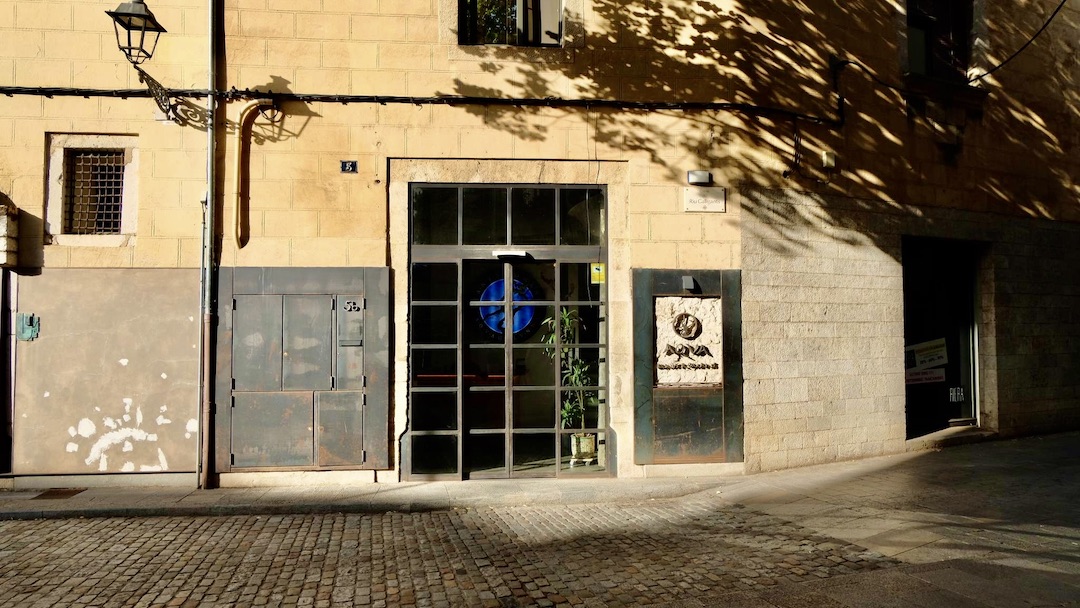
Should you want a nice long soak after seeing the Arab Baths, you may be interested to learn that the Aqva Gerunda Roman Baths is an option. Located in one of the buildings of the Old Town, you can access relaxing saunas (wet and dry) and baths of different temperatures.
We didn’t have a massage, but regretted that decision as the massage area looked very tranquil. Entry for the thermal bath circuit is €40, plus additional costs for massages.
Girona’s Monasteries and Museums
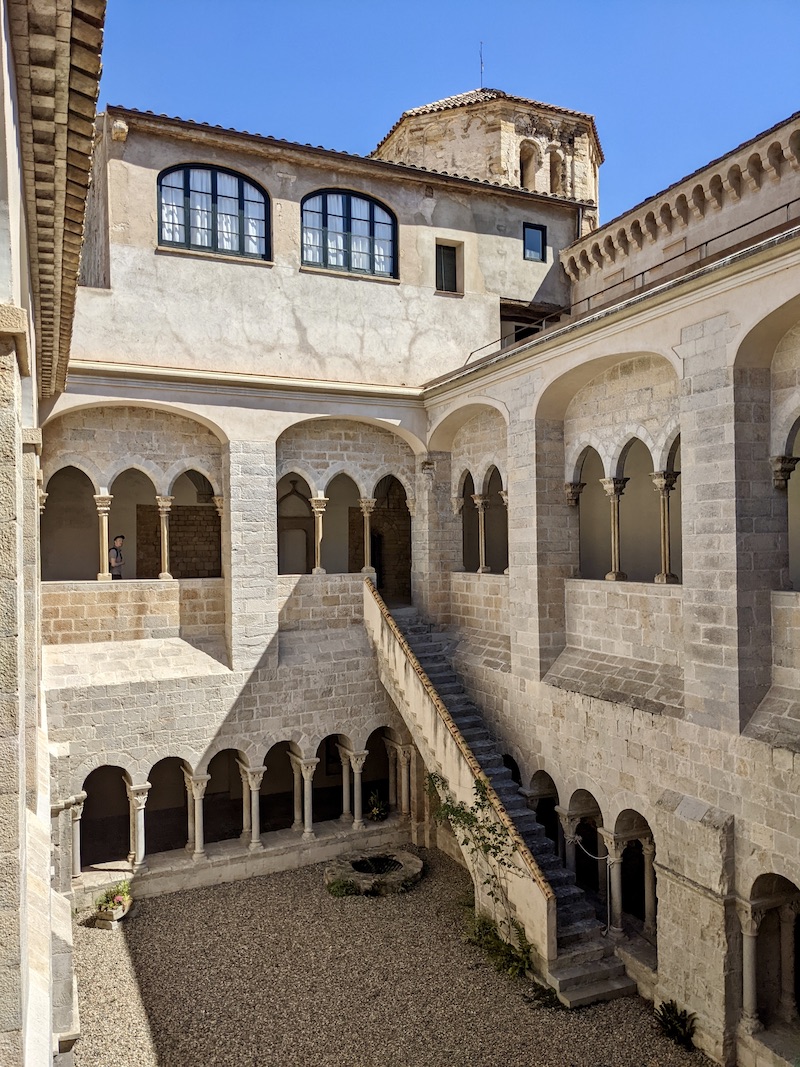
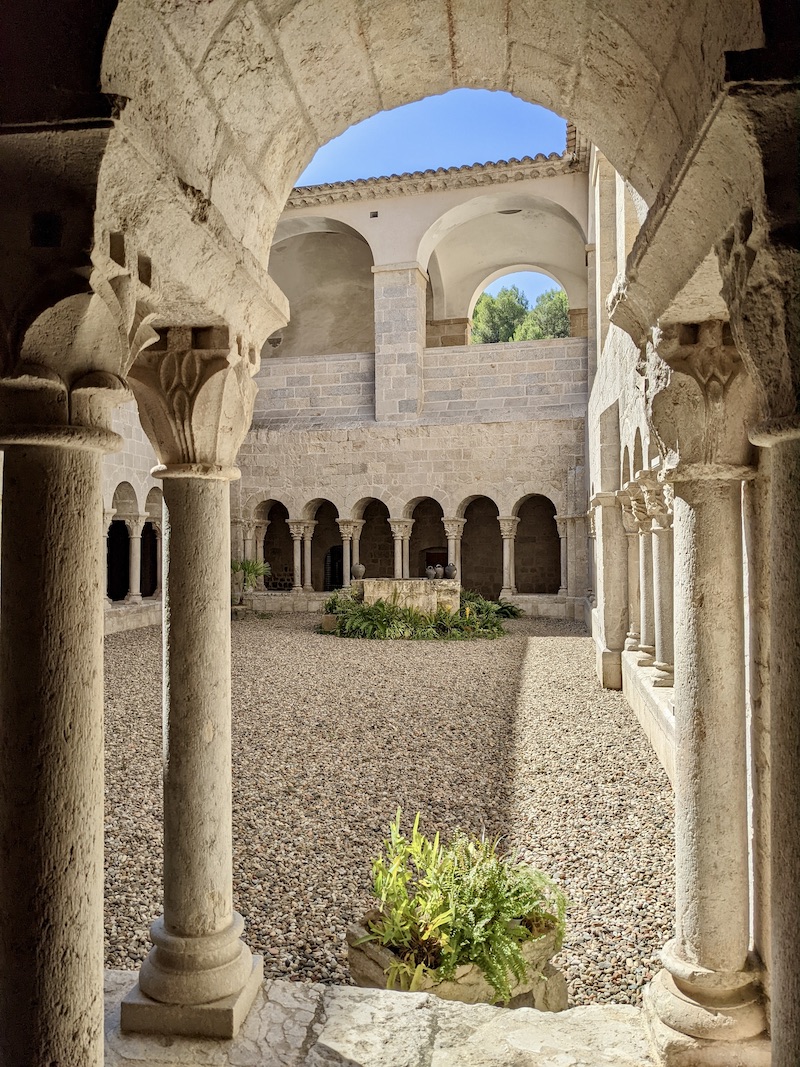
The Sant Daniel Monastery, which is within walking distance of Girona, is an 11th century nunnery that is still in operation to this day.
As you’d expect from a functioning religious complex, it’s not really a tourist attraction per say, though it does open a small portion of the building to visits and a brief tour on Wednesday mornings (suggested donation, three euros per person). We visited twice and had the place to ourselves, which very much felt like we’d been transported back to the middle ages.
The Cinema Museum is a building dedicated to the history of moving images. We enjoyed our visit and some of the objects were more interesting than you might expect! Note that the building is heavily skewed towards the very early days of cinema, with modern films getting a brief mention towards the end.
Hiking, Cycling and Climbing in Girona
Girona is a hotspot for hikers and cyclists with many great hiking and biking routes from and around the city. Our favourite hikes in Girona were up to Castell de Sant Miquel and Castell de Campdorà.
For avid climbers, the indoor bouldering gym Cal Mico is well-worth a visit. Half an hour’s walk from Girona’s old town, the climbing gym is an easy walk. It has a variety of puzzling boulder problems and is in very good condition. Grab an Estrella and some olives after your climb at their indoor cafe.
Where To Stay in Girona
The best area to stay in Girona is Barri Vell, the Old Town, if you want to wake up inside the medieval centre, or Mercadal and the Eixample across the river if you want flat streets, better value and the food market. Girona hotels and apartments are cheaper than the Costa Brava coast in summer, and you can still be at a beach within the hour.
We stayed in an apartment in Girona for a full month and loved it. If you are weighing up Girona against the coast, especially in summer, we would base ourselves here without hesitating.
August is the clearest example. Everyone heads for Sant Feliu de Guíxols and the Costa Brava beach towns, which get packed, expensive and hard to book. Girona stays comparatively calm. You get a proper city to come home to, shaded old town streets in the afternoon heat, and you can still be on a beach within an hour whenever you fancy it, then come back to somewhere that is not heaving.
For anything longer than a couple of nights we would take an apartment over a hotel every time. Having a kitchen and somewhere to sit outside changes the trip, and with the Mercat del Lleó and the market on the Devesa, self-catering here is a pleasure rather than a chore.
Best Areas To Stay in Girona
Barri Vell (the Old Town) – East of the Onyar river, this is the medieval core: the Cathedral, Carrer de la Força, the Jewish Quarter and the city walls all within a few minutes’ walk. It is the most atmospheric place to stay and you wake up inside the postcard. The trade-offs are steep cobbled streets, a lot of stairs, and some noise from the bars around Plaça de la Independència at weekends.
Mercadal and the Eixample – The other side of the river, five to ten minutes’ walk from the Old Town. This is where people actually live and shop, and it is the area we would point most people towards for a longer stay. Flat streets, better value, the Mercat del Lleó food market, and the Devesa park for morning walks and runs. It is also closest to the train and bus station, which matters if you are day tripping to the coast.
Near the train station – Worth considering if you are only in Girona for a night, or if you are using the city purely as a base for the Costa Brava and Barcelona. Less charming, but still only about fifteen minutes’ walk from the Cathedral.
Best Apartments in Girona
Gaia Apartments & Lofts – Bright, modern one-bedroom apartments right on the edge of the Old Town, a few minutes from where we stayed. They are consistently one of the highest rated places in the city and the location is about as good as it gets for walking everywhere. Check prices and availability.
Bravissimo Catedral – If you want to wake up looking at the Cathedral, this is the one. It is an apartment rather than a hotel room, right in the Barri Vell, and the views are the whole point. Also a short walk from our old place. Check prices and availability.
Wherever you land, the real advantage of basing yourself in Girona is how easy the coast becomes.
Girona Hotels or an Apartment?
For one or two nights a hotel is simpler, and the Old Town and the streets around the station both have plenty. For anything longer we would take an apartment every time. Having a kitchen and somewhere to sit outside changes the trip, and with the Mercat del Lleó a few minutes away, self-catering here is part of the pleasure rather than a compromise.
The three places above are the ones we would book: Gaia Apartments & Lofts for the Old Town with river views, Bravissimo Catedral if you want the Cathedral out of the window, and La Comuna by Bon Dia Residences if you are here to cycle. The map shows live prices across the whole city if you would rather compare.
Day Trips from Girona
Girona is the jumping off point for many fantastic day trips to the beach towns of the Costa Brava. With great bus and train connections, many of the beaches are accessible in an hour or so’s drive. If you rent a car, your travel time will be even less.
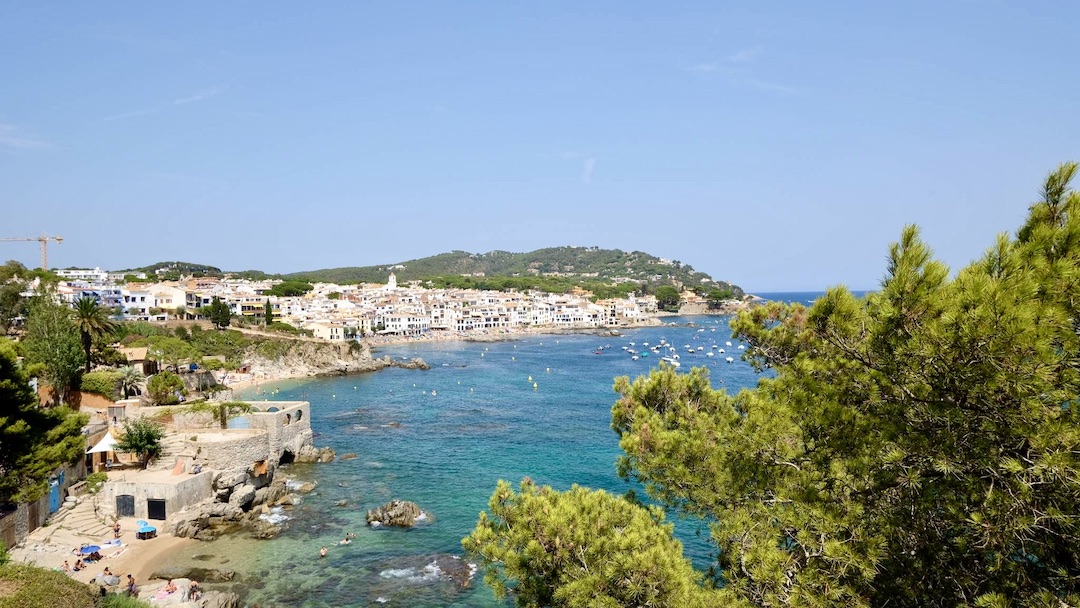
Palafrugell – This postcard perfect beach town is an hour bus ride from Girona and well-worth the day trip. The bus goes into the town, so from there you’ll need to take a 10 minute taxi down to the beach. Lined with quaint white-washed buildings, restaurants overlooking the sea and little coastal bays and beaches, Palafrugell is a small slice of coastal heaven.
Sant Feliu de Guíxols – The charming Sant Feliu de Guíxols is a 1.5 hour bus ride from Girona. Be sure to avoid the slower bus routes and catch the fast bus that goes direct. Whilst you won’t find whitewashed houses here, Sant Feliu has its own charm with pedestrianised walking streets and traditional restaurants and bars. You won’t find any chain restaurants there! There’s a sandy beach that’s very accessible and kid-friendly.
Barcelona – Fast trains run daily between Girona and Barcelona Sants, taking just 38 minutes. Make sure to check train times and book in advance, as trains can be sold out at peak times. From Barcelona Sants, it’s just a short tube ride to Las Ramblas, El Born and Barrio Gotic neighbourhoods in Barcelona.
Where to Eat in Girona
Girona eats well for a city of 100,000, and that is mostly down to one family: the Roca brothers, whose El Celler de Can Roca has twice been named the best restaurant in the world. Getting a table means booking around eleven months out, so treat it as a plan rather than a possibility.
The everyday version is better value and much easier. The Mercat del Lleó is where we did most of our shopping, and it is the argument for taking an apartment with a kitchen: the produce is excellent and cheap. On Tuesdays and Saturdays the market on the Devesa spreads out under the plane trees.
For eating out, the Old Town around Carrer de la Força and Plaça de la Independència is where most visitors end up, and it is fine rather than exciting. Cross the river into Mercadal and the Eixample and prices drop while the cooking gets more interesting, because that is where people actually live.
Use the menú del dia. Most places do a three-course set lunch on weekdays, it is the cheapest good meal of the day, and it is what everyone around you will be eating.
Best Bars and Coffee Shops in Girona
Meandering through the cobblestone alleyways of Girona’s old town is an enchanting way to pass the time, made all the more enjoyable by the enticing cafes and buzzing wine bars. There are plenty to choose from, here are some of our favourites:
Best Bars in Girona’s Old Town
La Garrina – La Garrina is a popular natural wine bar set in a beautiful courtyard in Girona’s old town. They stock a good selection of local wines and the friendly staff will help you find a wine you love, even if you have to sample two or three different options! The outdoor seats fill up quickly most evenings, so it may be worth making a reservation. Prices are a little on the high side, but in our opinion, it’s worth paying extra.
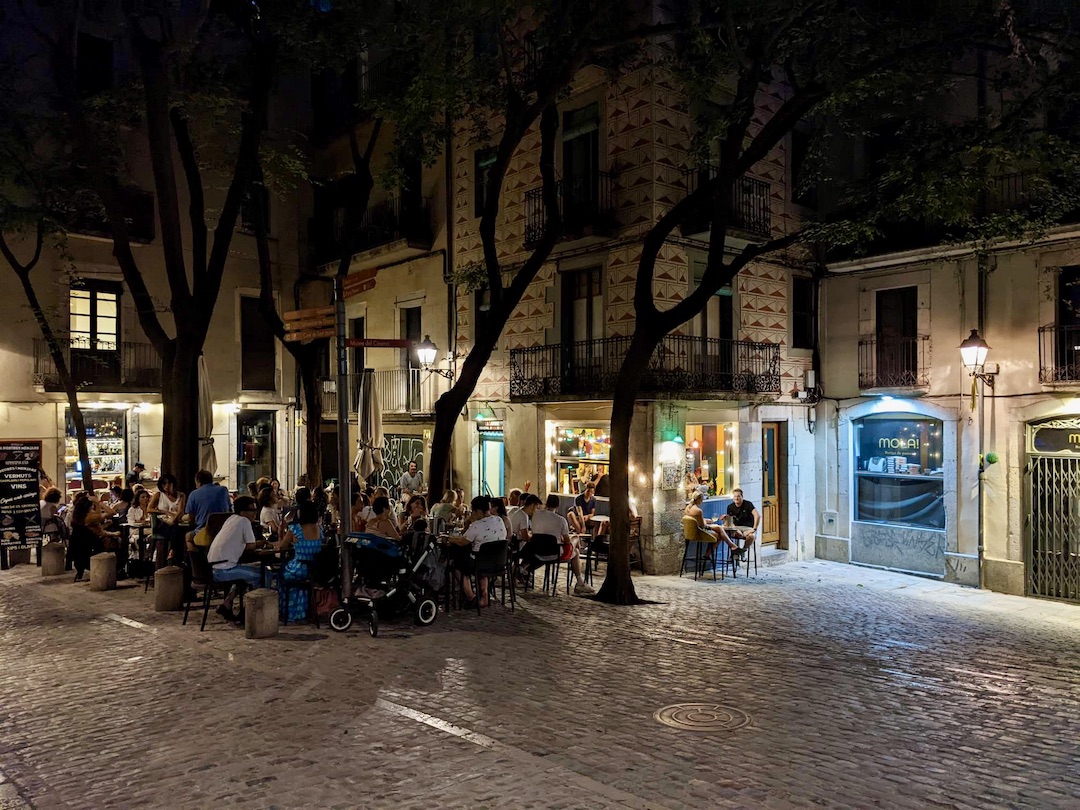
La Tabarra Girona – Just a few doors up from La Garrina, La Tabarra Girona is a romantic place to stop for a candle-lit glass of wine. Although we didn’t eat there, the menu was reasonably extensive and the beers were a decent price. It’s less popular than other bars in the area, but not deservedly in our experience!
Plaça del Vi 7 – We stumbled across Plaça del Vi 7 by chance whilst walking through the old town and were impressed both by the wine list and the friendly service. As a group of three, we tried the red, white and rose and each of us were very pleased with our choice. We didn’t try the food (apart from an obligatory side of olives), but the menu looked interesting. The bar gets more crowded later in the evening, which can leave the staff a little rushed.


Hotel Ultonia Rooftop Bar – Hotel Ultonia is well worth a visit thanks to its stunning rooftop bar. Nothing quite says “I’m on holiday” like sipping a cocktail whilst enjoying a view of Girona’s monumental cathedral. The rooftop bar is open to the public and is classy enough to be exciting without being unwelcoming. As usual, you pay a little extra for the view, but it’s not prohibitively expensive. We had margaritas and enjoyed them, other more adventurous options were available!
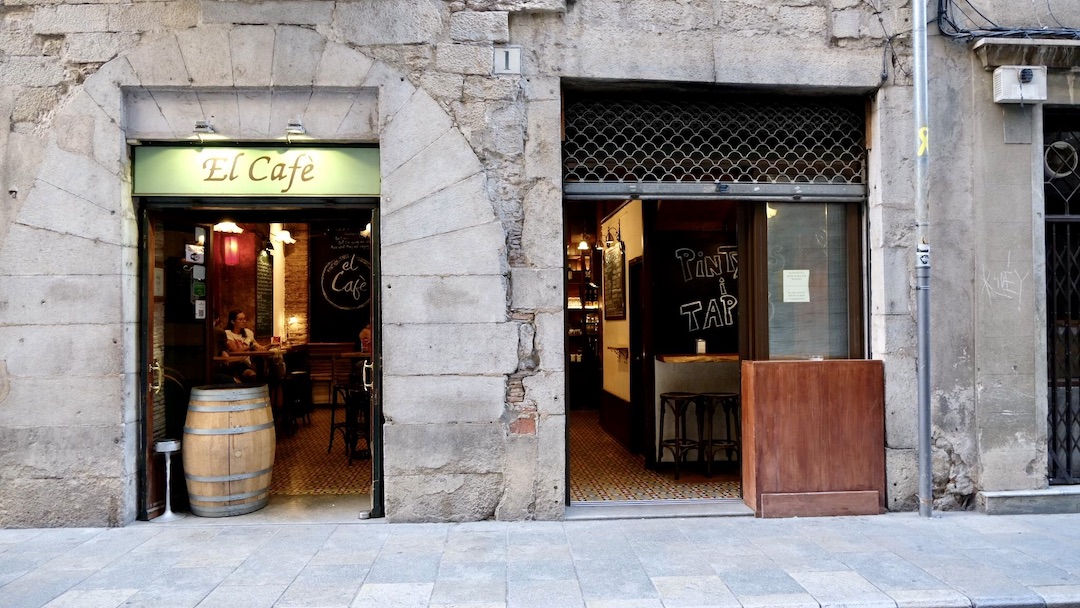
El Cafè – El Cafè is an authentic, intimate tapas bar complete with an assortment of fishy pintxos (small plates) lining the bar. The pinchos are self-service and you’re trusted to remember what you ate and settle up when you’re finished, which creates a relaxed atmosphere. The bar has a definite Basque feel and even served Txakoli, which is a slightly fizzy white wine common in San Sebastian. Two glasses of wine, a generous slice of Spanish omelette, olives and a side of piments de padron (fried green peppers) came to a reasonable €17.
Best Cafes in Girona’s Old Town
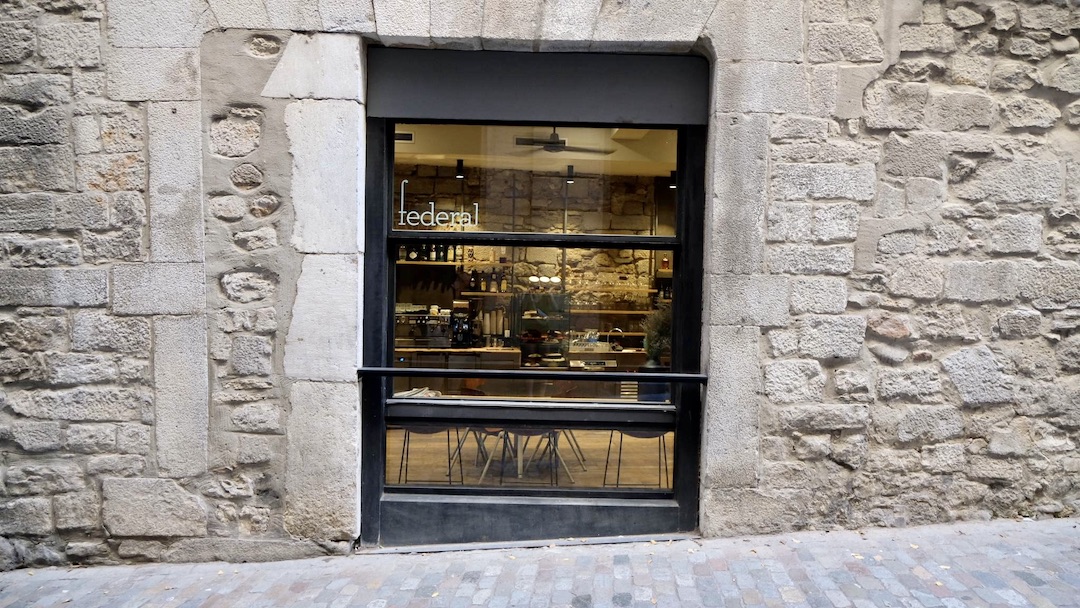
Federal Cafe – Federal Cafe is a popular cafe in Girona’s old town with an extensive lunch and breakfast menu. Unusually for the region, they have a good selection of vegetarian and vegan options; I had a red pesto tagliatelle and a shakshuka and both were delicious. As is common to Girona’s old town, the prices are a little high, so it’s a good option for a leisurely brunch.
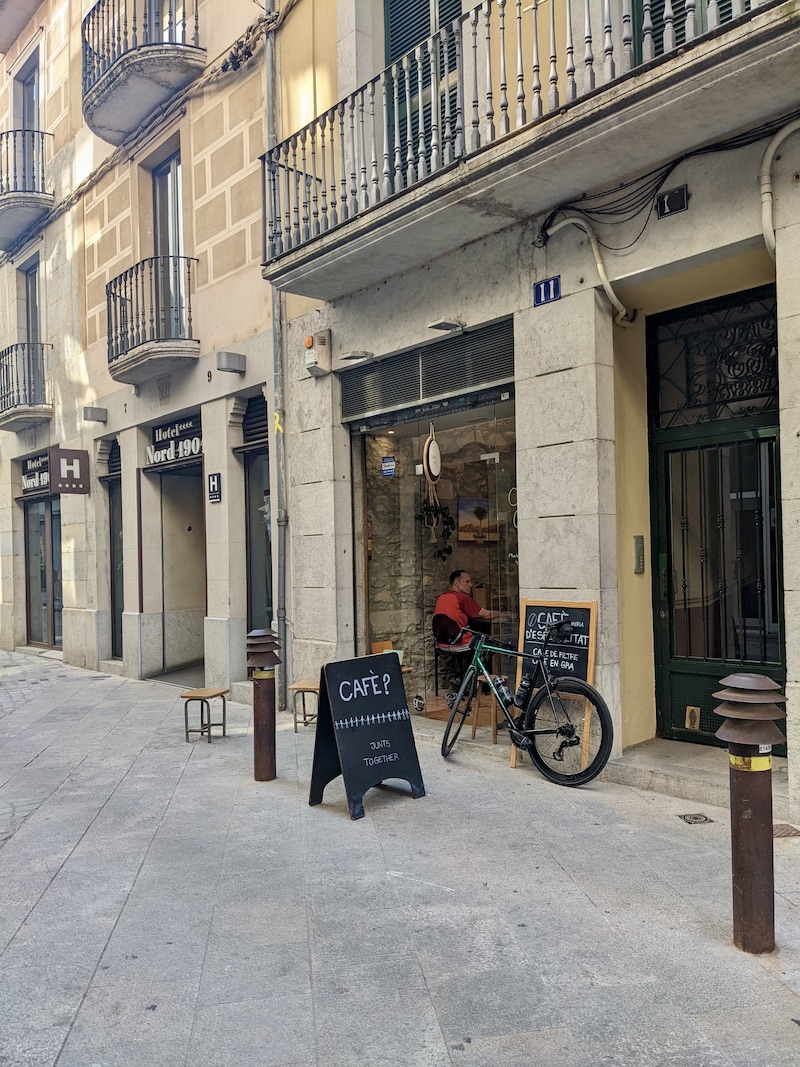
La Fabrica Girona – La Fabrica Girona is a trendy, bicycle-themed cafe with good outdoor seating and strong coffee. There’s an extensive lunch menu with typical hipster fare and more — think pulled pork bagel and avocado toast, presented in beautiful Instagrammable style.
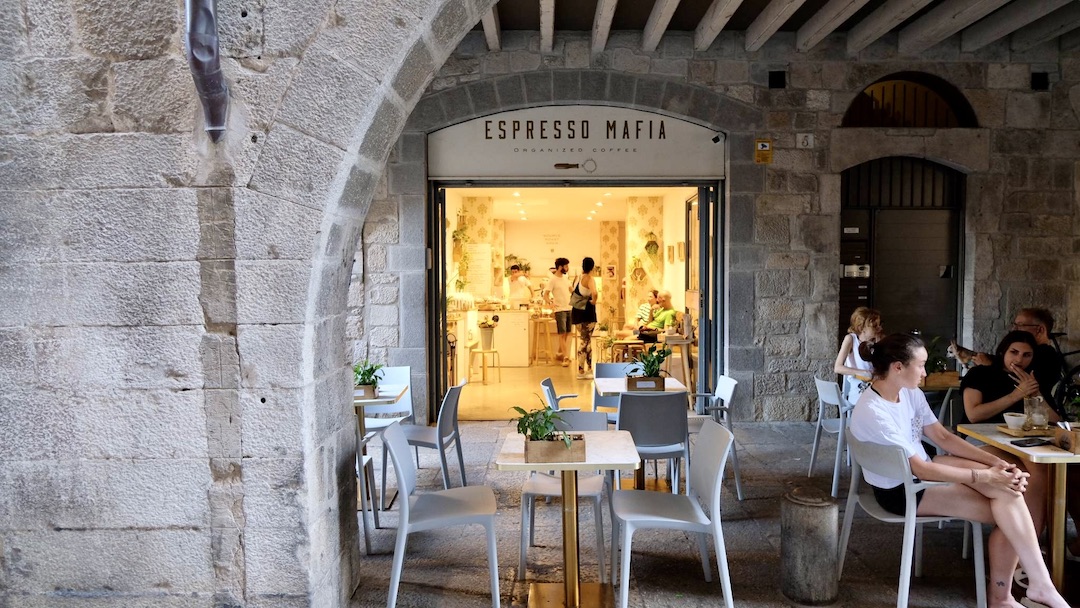
Espresso Mafia – If you want to get caffeinated quickly, look no further than Espresso Mafia. This excellent cafe is tucked away under one of the iconic arches typical to Girona’s old town. If you’re interested, the friendly and knowledgeable staff will happily talk to you about the different coffee beans they have available.
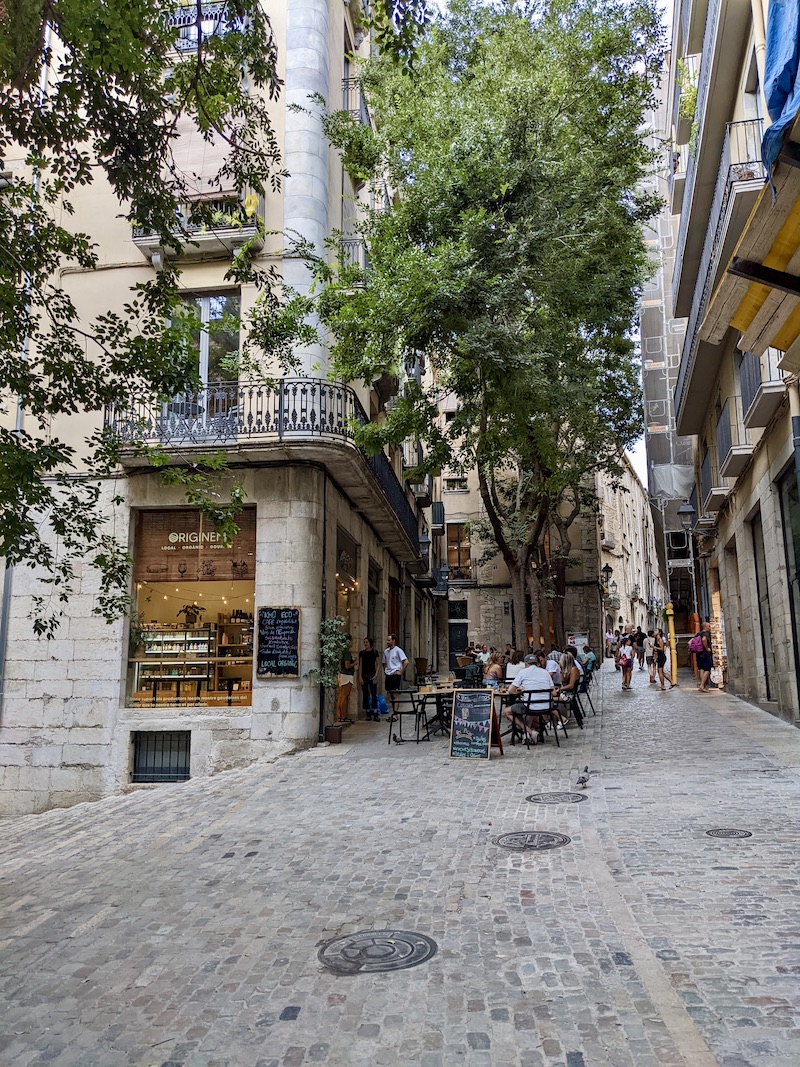
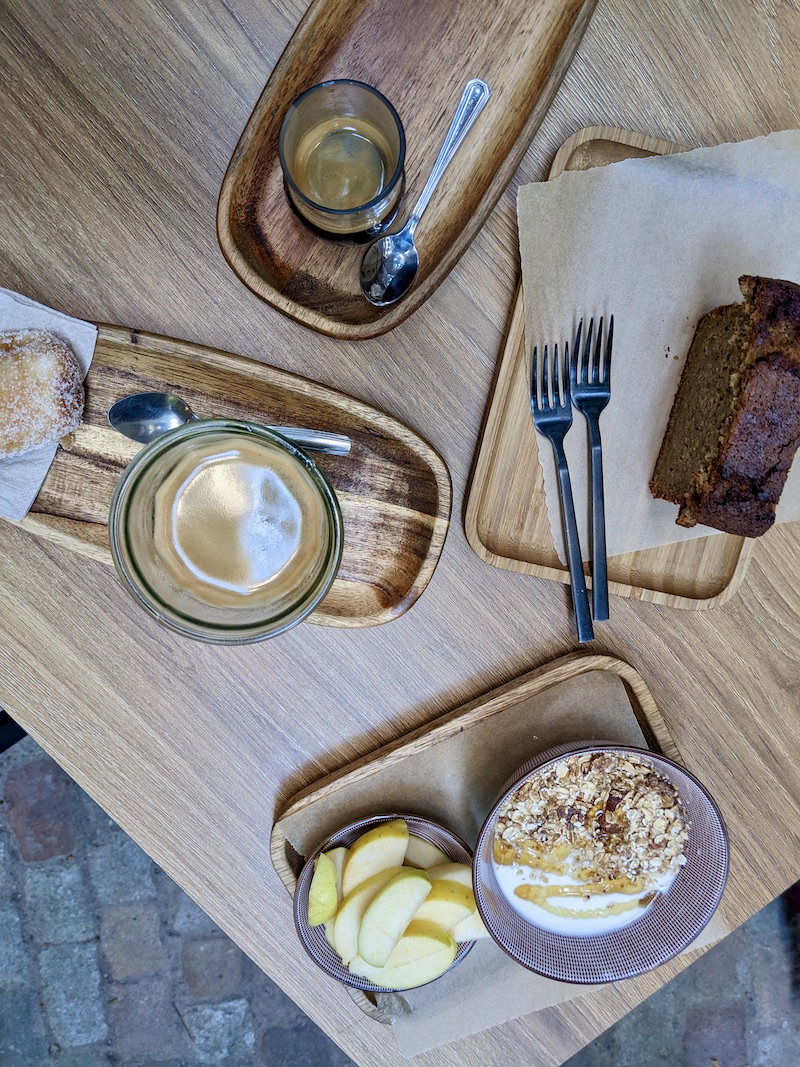
Originem – We stopped for a flakey croissant and jet-black espresso several times at Cafe Originem, and we were always met with a smile by the cafe’s friendly staff. There’s a small but thoughtful menu offering up coffee, pastries, sandwiches, glasses of wine and beer as well as olives. Outdoor seating in a picture-perfect courtyard is one option, sitting inside on the balcony at the back is another.
La Communa Cafe – La Communa Cafe is a higher-end hipster establishment close to Girona’s famous thermal baths. The meals skew more health-conscious here: I had a fantastic breakfast burrito with halloumi and avocado, also on offer is their “green bowl” and the coffee can be served with plant milk on request.
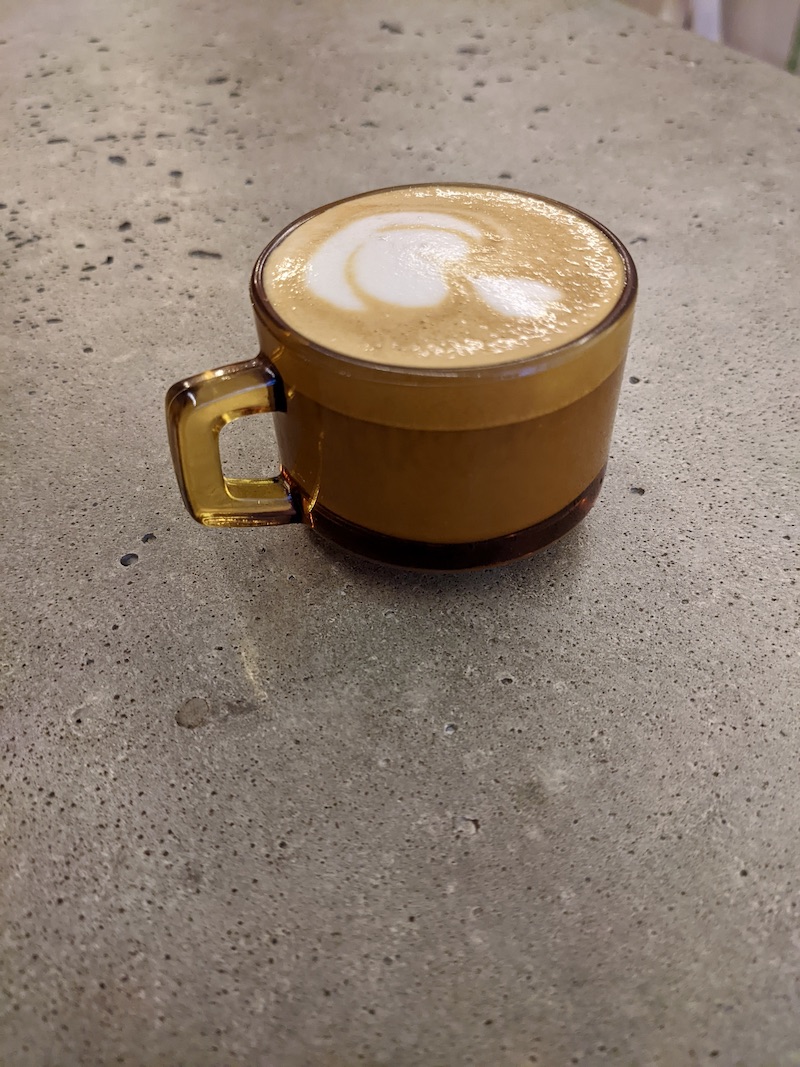
Oniria Cafe – We stumbled upon Oniria Cafe after taking a wrong turn, but it ended up being a blessing in disguise as it meant we got to enjoy the serious coffee and vegan snacks available here. Quite possibly the best quality of coffee we found in Girona.
Getting from Barcelona to Girona
The fast train from Barcelona Sants takes 38 to 40 minutes and is the way to do it. The regional train takes about an hour and a half for less money, and driving is roughly an hour and fifteen. Girona’s station is a ten-minute walk from the Old Town, so there is no onward transport to work out.
A day trip works. You will comfortably cover the Cathedral, the walls, the Jewish Quarter and the Arab Baths. What you will not get is time to eat properly, or to see the Old Town after the coaches have gone, which is when it is at its best. If you can give it a night, give it a night.
Going the other way, Girona airport is 20 minutes from the city by bus and is often the cheaper way into Catalonia from the UK, even if you are heading to Barcelona afterwards.
How To Get To Girona
By Train from Barcelona – The easiest option by far. Fast AVE and Avant trains run from Barcelona Sants to Girona in around 38 to 40 minutes. The slower regional R11 takes about an hour and a half but costs roughly half as much, and it is perfectly comfortable if you are not in a rush. Girona’s station is under a kilometre from the Old Town, about a ten minute walk.
By Air – Girona–Costa Brava Airport (GRO) is around 20 minutes’ drive from the city and is well served by budget airlines from the UK, Ryanair especially. The Sagalés airport bus runs to Girona bus station, which sits alongside the train station, and costs roughly €3 one way or €6 return. A taxi is quicker but a lot more expensive.
Barcelona El Prat (BCN) has far more flight options, and with the fast train it is an easy alternative. Allow around two hours door to door.
By Bus – Coaches run from Barcelona Nord to Girona in roughly two hours. Cheaper than the train, but slower and more at the mercy of the traffic leaving Barcelona.
By Car – Rent a car from Costa Brava airport, or Barcelona. A car is useful if you want to explore the smaller Costa Brava villages and the Empordà countryside, but it is a liability in Girona itself: the Old Town is largely pedestrianised and parking is difficult. If you are staying in the city, use the buses and trains and hire a car only for the days you actually need it.
Best Time To Visit Girona
May and June are the best months overall. Warm but not punishing, long evenings, and everything is open. May also brings Temps de Flors, the flower festival, when the Old Town’s courtyards, staircases and monuments are filled with floral installations for nine days. It is free, it is beautiful, and it is the busiest week of Girona’s year, so book accommodation early.
July and August are hot, often into the mid thirties, and the middle of the day is best spent somewhere shaded or air conditioned. The upside is that while the Costa Brava is at its absolute busiest, Girona itself thins out as locals head for the coast. If you want a Catalan summer without the crush, basing yourself here and day tripping to the beaches is the smart play. We stayed during August.
September and October are our other pick. The sea is still warm enough to swim, the city is quieter, and the autumn light on the Onyar houses is lovely.
November to March is cold, quiet and cheap. A few smaller places close for the winter, but the Old Town is atmospheric in the mist and you will have the walls almost to yourself.
Girona Travel FAQs
Easily. Girona is about 100km northeast of Barcelona. Fast trains from Barcelona Sants take 38 to 40 minutes, the regional train around an hour and a half, and driving takes roughly an hour and fifteen minutes. You will comfortably cover the Cathedral, the city walls, the Jewish Quarter and the Arab Baths. What you will not get is time to eat your way around properly, which is the argument for staying the night.
They are very different cities. Barcelona has the Gaudí architecture, the beaches, the big museums and the nightlife. Girona is smaller, quieter and far easier to walk. If it is your first time in Catalonia, go to Barcelona. If you have already done Barcelona, or you want somewhere calmer to base yourself for a week, Girona wins.
Girona is famous for its medieval Old Town and intact city walls, one of the best preserved Jewish quarters in Europe, its Game of Thrones filming locations, and food. It is also one of the great European cycling bases, which is why you will spot so many professional riders in the cafes.
The Cathedral steps stood in for the Great Sept of Baelor, and the Arab Baths, the Jewish Quarter and the Sant Domènec steps all appear as Braavos in season six. The Old Town is small enough that you can walk between all of them in under half an hour.
Barri Vell, the Old Town, if atmosphere is the point and you do not mind cobbles, stairs and some weekend noise around Plaça de la Independència. Mercadal and the Eixample across the river if you want flat streets, better value, the Mercat del Lleó and the Devesa park, which is where we would send most people staying more than a couple of nights.
In summer, usually yes, and noticeably so in August when Sant Feliu de Guíxols and the beach towns fill up. Girona stays comparatively calm, you can be on a beach within an hour, and you come back to a city that is not heaving. Prices move with the season, so check current rates before you book.
Yes, and not only for the staircase. Behind that facade is the widest Gothic nave in the world at just under 23 metres, with no pillars breaking it up, and the Tapestry of Creation in the cathedral museum is one of very few surviving embroidered hangings of its kind. Climb the 90 steps early if you want them empty.
It is one of the reasons people move here. The roads north into the Pyrenees and east to the coast are the draw, and the city has the bike shops, the cafes and the rental fleets to match. You do not need to be a cyclist to enjoy Girona, but if you are one, this is the base.
This guide contains affiliate links. If you book through them we may earn a small commission at no extra cost to you. We only ever recommend places we have stayed or would happily book ourselves.