

We spent a week in Málaga, working on weekdays and getting out into the city in the evenings, before heading down the coast to Estepona for a few days with Luke’s family. It was a good way to see the city, plenty of early morning coffees and evening walks.
Málaga gets written off as the airport you fly into on the way to somewhere else on the Costa del Sol but this Andalusian city has more to it. A Moorish fortress on the hill, one of the best-value museum clusters in Spain, a fishing-village seafront, and the famous Caminito del Rey gorge walk an hour inland.
In a Rush? Best Hotels in Málaga
Hotel Casa Beatas
A characterful stay in Málaga’s historic centre, with tapas bars, old streets and major sights right outside the door. Great for being in the heart of the action.
Check ratesHotel Well and Come Málaga
A stylish boutique hotel with a rooftop terrace and plunge pool — the perfect spot to cool off after exploring Málaga’s historic centre.
Check ratesApartamento Especería Blue
A central apartment offering the freedom of your own space, with Málaga’s old town right outside. Ideal for a more independent stay.
Check ratesSerenay Málaga Hotel
A relaxed base for exploring Málaga and the coast, with a comfortable atmosphere to return to after a day discovering Andalucía.
Check ratesIs Málaga Worth Visiting?
Málaga is worth visiting for a long weekend or as a remote working base. Málaga has the history of Granada or Seville whilst being smaller and more walkable package. There’s a beach just outside the city too. It works as a city break on its own, is an easy base in Andalusia for day trips and a good stopover if you are heading down the Costa Brava.
However, it is not a quiet or undiscovered place. The old town is busy year round and the seafront fills up in summer.
The Best Things To Do in Málaga
1. The Alcazaba
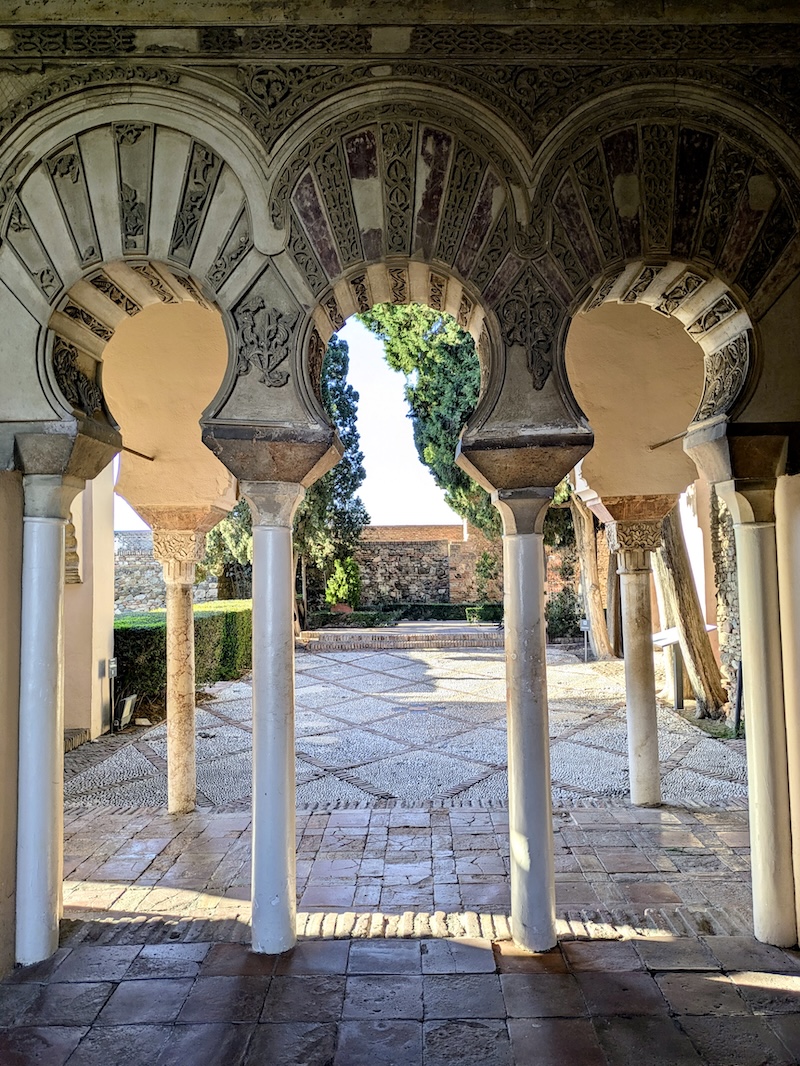
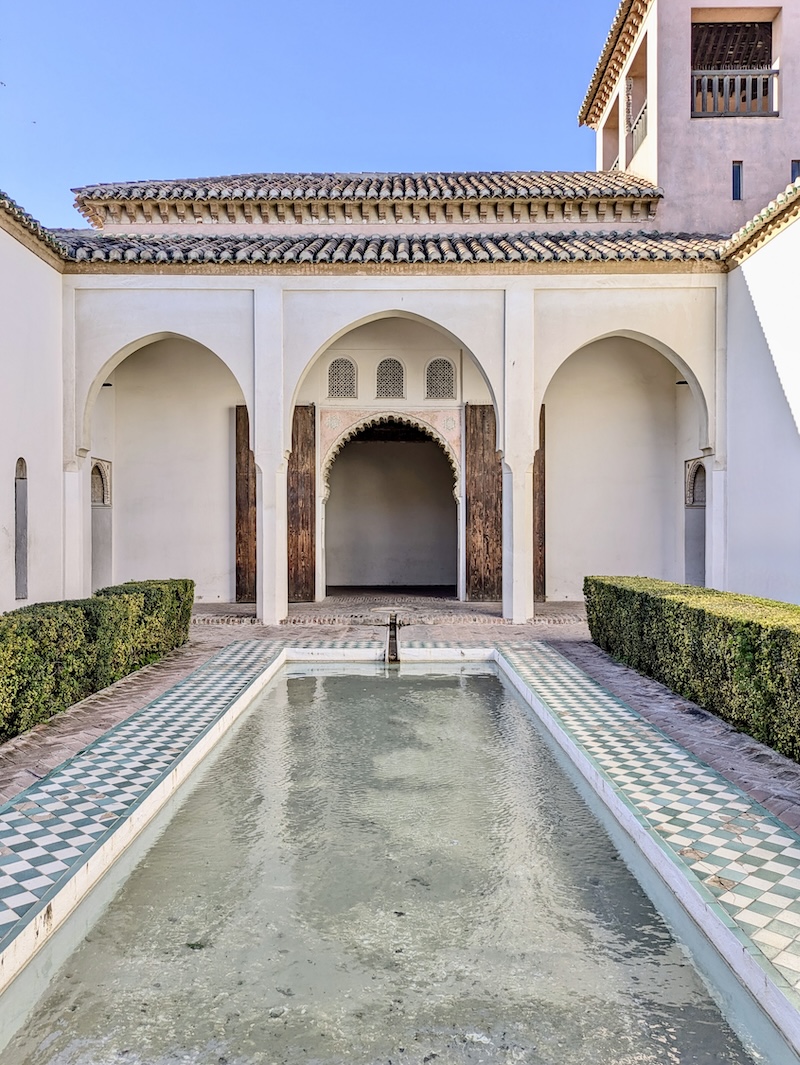
Málaga’s Moorish palace-fortress climbs the hillside straight out of the old town, and it is the single best thing to do in the city. Built from the 11th century onwards, it is a layered run of gardens, courtyards, keyhole arches and water channels, with the whole city opening up beneath you as you climb.
The views over the city from the top are the best you will get without leaving the centre. It is not as grand as the Alhambra in Granada, but it is beautiful and well worth seeing. Entry is €3.50, or €5.50 combined with Gibralfaro above it, and both are free on Sundays from 2pm.
Go early or late. It is compact enough that one coach group makes it overcrowded.
2. Gibralfaro Castle
Above the Alcazaba, connected by a walled walkway up the hill, Gibralfaro is the higher and plainer of the two. You come for the view rather than the building: the bullring directly below, the port, and the coast running away east. The walk up is steep and shadeless, so it is a morning or late evening walk in summer.
3. The Roman Theatre
Sitting at the foot of the Alcazaba, the Roman theatre was only rediscovered in 1951, having spent centuries buried under later buildings. You can see most of it from the street without paying, and the stack of Roman and Moorish and modern city in one view is the clearest picture of Málaga’s layers you will get.
4. The Picasso Museum and the Casa Natal
Picasso was born in Málaga, and the city makes a lot of that. The Museo Picasso Málaga holds a substantial collection in a restored 16th-century palace, and it is the better of the two visits. The Casa Natal, his actual birthplace on Plaza de la Merced, is small and more of a pilgrimage than a gallery.
5. The Cathedral, or La Manquita
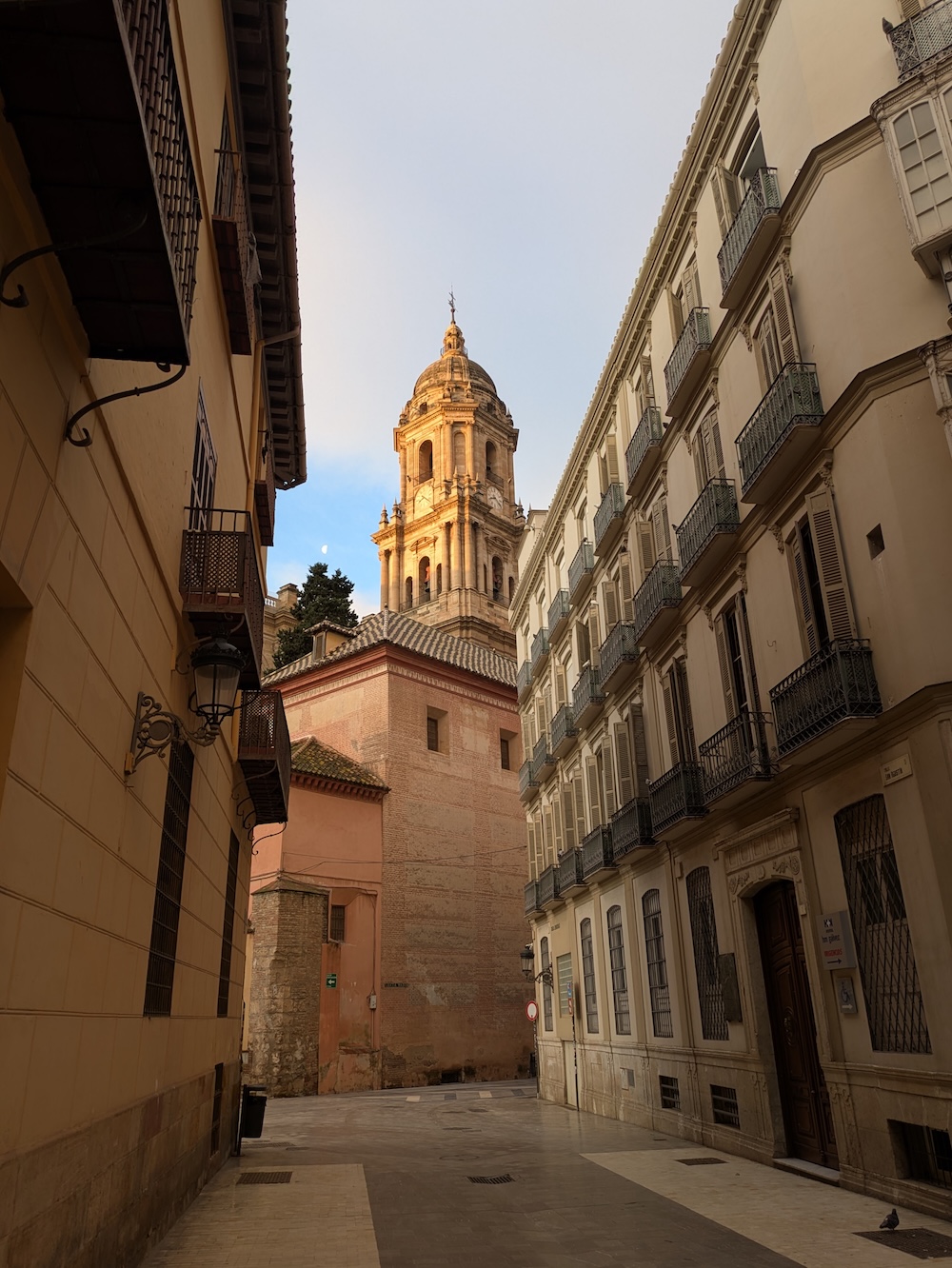
Málaga’s cathedral is missing its second tower, which is why locals call it La Manquita, the one-armed lady. The money ran out in the 18th century and it was never finished. A rooftop tour is on offer too.
6. Mercado de Atarazanas
The central market sits behind a Moorish gateway with a huge stained-glass window at one end. It is a working market rather than a food-hall pastiche, busiest in the morning, and the stalls at the back will make you a plate of whatever you are looking at.
7. Soho and the Street Art
The Soho district between the centre and the port was deliberately turned into an open-air street-art quarter, with large commissioned murals by international artists across the building ends. It is a twenty-minute wander and a good antidote if you have overdone the museums.
8. Calle Larios and the Old Town
Calle Marqués de Larios is the marble-paved main street and the spine of the old town. The pleasure here is the side streets rather than the parade itself, and the plazas they open into.
9. Muelle Uno and the Port
The redeveloped port is where the city meets the water, with a promenade, the Pompidou’s glass cube, and a walk out to the lighthouse. It is unashamedly modern and it works.
10. La Malagueta Beach
The city beach is a ten-minute walk from the cathedral. It is imported dark sand, it is busy, and it is perfectly good for an afternoon between museums. We visited Málaga in February, when temperatures were a pleasant 20°C but not yet warm enough for the beach. Locals say you 25°C for a good beach day.
11. Pedregalejo and El Palo for Espetos
Twenty minutes east of the centre, the city dissolves into two old fishing neighbourhoods, Pedregalejo and El Palo, where the beachfront is low-rise, the sand is better and the restaurants grill espetos, sardines skewered on cane and cooked over a wood fire in a sand-filled boat on the beach.
12. Walk Up Cerro San Cristóbal at Golden Hour
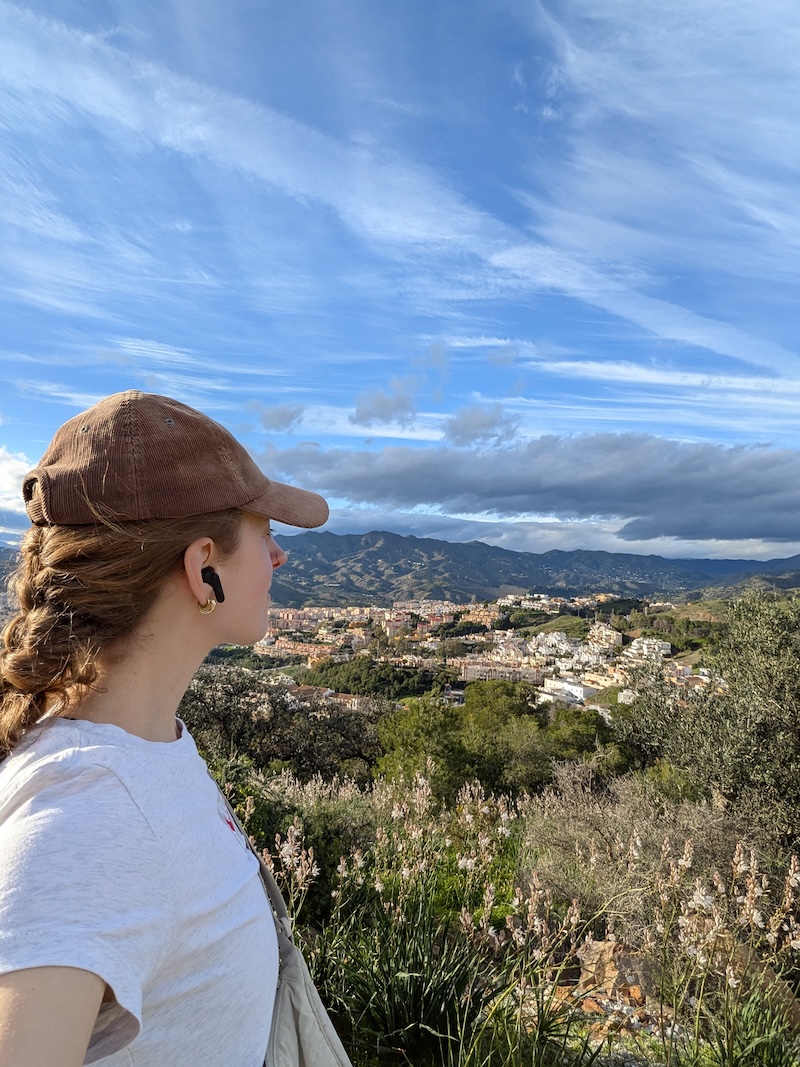
The best view we found in Málaga cost nothing! Cerro San Cristóbal is a hill on the edge of the city and walking up it for golden hour gives you the whole place laid out with the sea behind it. The walk out from the city centre goes through some local suburbs.
13. Montes de Málaga
The hills immediately behind the city are a natural park of pine forest and walking trails, close enough to be a half-day. Good if the city heat gets too much and you want shady trees.
Day Trips from Málaga
Why We Skipped the Caminito del Rey (and What We Did Instead)
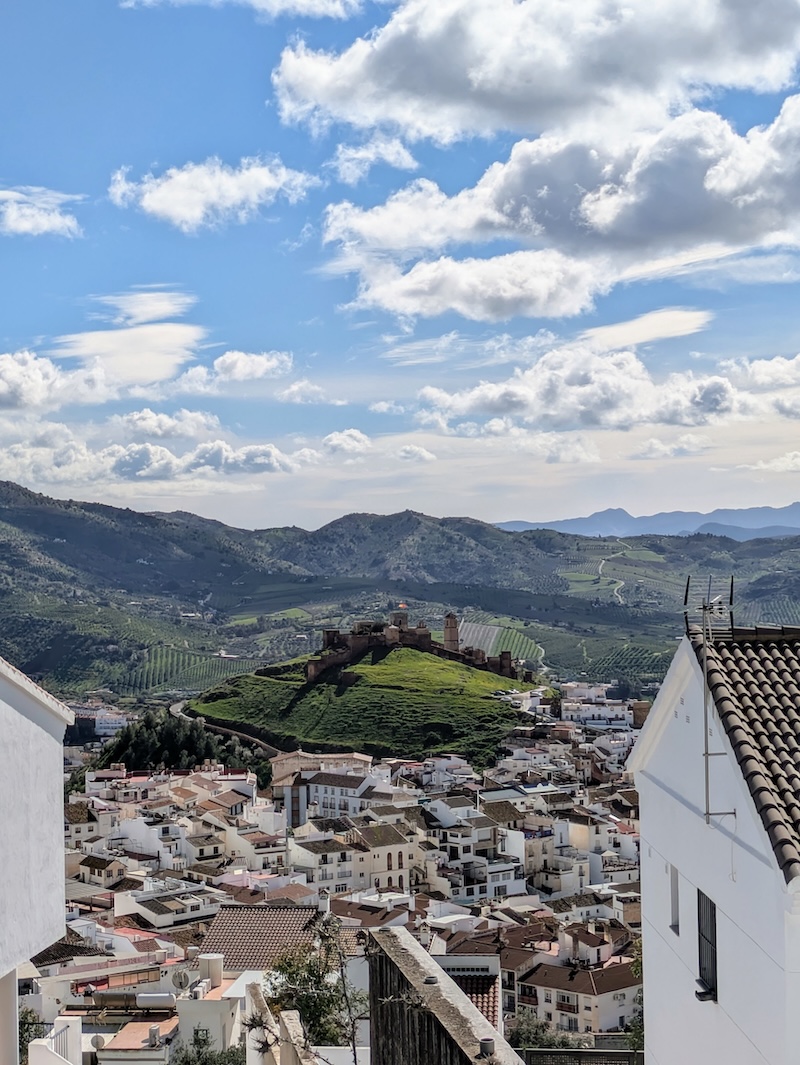
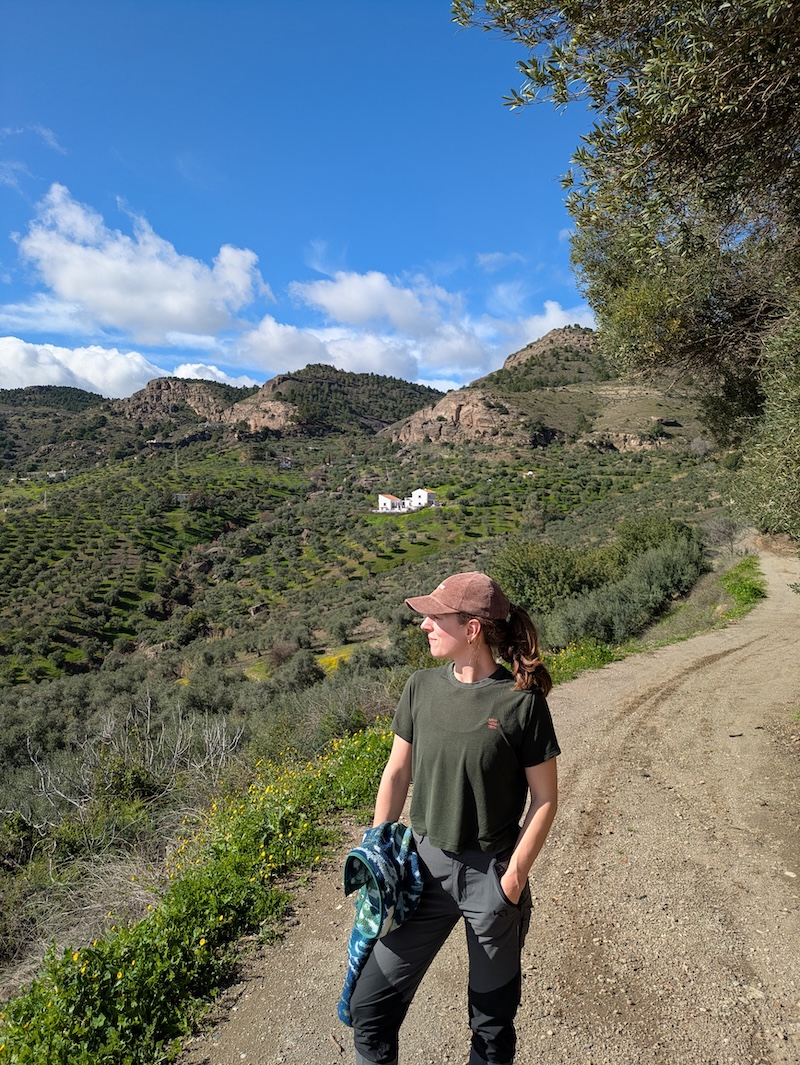
Every Málaga guide sends you to the Caminito del Rey, the walkway pinned to the wall of a gorge an hour inland. We had one free day, we wanted to hike, we wanted to be surrounded by countryside, so we looked at our options and chose Álora instead.
Álora is a small village out in the countryside. It was cheaper, quicker and easier to reach on public transport than the Caminito del Rey, far less touristy and a considerably better walk. The Caminito del Rey is short, and it is a timed-ticket, one-way, book-well-ahead experience rather than a day in the hills. What we wanted was to be surrounded by greenery and Álora gave us that. It was stunning.
If your priority is the famous photo, do the Caminito. If your priority is a a more authentic experience of a whitewashed town with a castle in the countryside without a booking window and a crowd, go to Álora.
Other Day Trips from Málaga
- Ronda — The town split by a gorge, with the bridge everyone photographs. Around two hours by road.
- Nerja — Caves and a cliff-top balcony over the sea, east along the coast.
- Granada — The Alhambra, and a long but very doable day if you book tickets well ahead. Unmissable in our opinion.
- Seville — Under three hours on the fast train, and a different city entirely.
Where to Eat in Málaga
Málaga eats late, cheaply and well. Fried fish is big, if you eat fish, as is the sweet local wine served from wooden barrels in the old bodegas around the centre. We’re vegetarian, but ate in places serving meat and fish too. These were our favourites:
- La Esquinita del Chupa y Tira — The best tapas bar we found in the city, and not remotely a tourist one. Authentic, cheap and busy, so go early or wait for a spot.
- La Despensa de Victoria — A tiny shop-bar we kept going back to for wine and Spanish omelette. Half grocery, half counter.
- BOLO Specialty Coffee & Bread — Our morning coffee choice all week. It’s a takeaway hatch, very good coffee, friendly staff and bolos (round breads) made daily.
- TiramiSur — We ate a few too many tiramisus here over the week.
- MYKA Greek Frozen Yogurt — I had one almost every day, topped with pistachios, on a late-afternoon walk after work.
How Many Days Do You Need in Málaga?
Two full days covers the city comfortably. Three lets you add the Caminito del Rey or another day trip without rushing. A week works if you are using Málaga as a base for Andalusia rather than treating it as a single destination.
Best Time to Visit Málaga
Spring and autumn give the best weather with warm days and a city that is still functioning normally. July and August are hot and busy, and the inland day trips become hard work in that heat. Winter is mild, quiet and surprisingly pleasant, though the sea is cold and some beach restaurants close.
We went in February and it made the case for itself. Almost everything on this list works off-season, because the Alcazaba, Gibralfaro, the Picasso Museum, the cathedral, the Atarazanas market and the tapas bars are all indoor or all-weather, and you walk them without queueing or sweating. What you lose is the beach and the espetos, so if lying on sand is the reason you are coming, come between June and September instead.
If you can pick your week, come for Carnival. It runs in February and takes over the old town for the best part of a week with parades, costumes and street parties. We were there for it and it was great fun, and it is far less known to British visitors than Seville’s Feria or the Semana Santa processions. Stay central if you are coming for it, because everything happens within a few streets of Calle Larios and you will want to be able to walk home. Our guide to where to stay in Málaga breaks the areas down.
Where to Stay in Málaga
Stay in the Centro Histórico if it is your first visit and you want to walk everywhere, La Malagueta if you want the beach and the centre, and Pedregalejo if you want the version of Málaga that locals live in.
We have a full breakdown in our guide to where to stay in Málaga, or browse below:
Málaga FAQ
Málaga is famous for being Picasso’s birthplace, for the Alcazaba and Gibralfaro fortresses that sit above the city, and for its sweet Málaga wine. It is also known for espetos, the sardines grilled over open fires on the beach.
Málaga is less of a party place than its Costa del Sol neighbours. The city has a busy late-night bar scene around the old town and Soho, but the full-scale nightlife reputation belongs to Torremolinos and Marbella rather than to Málaga itself.
Seville is the grander city and makes the better single sightseeing trip. Málaga is more relaxed, it has the sea, it is cheaper to fly into, and it is the better base if you want to move around Andalusia.
Málaga is one of the better-value city breaks in western Europe, and it is noticeably cheaper than Seville or Barcelona for food and drink. Accommodation in the old town in high summer is the one place where costs climb.